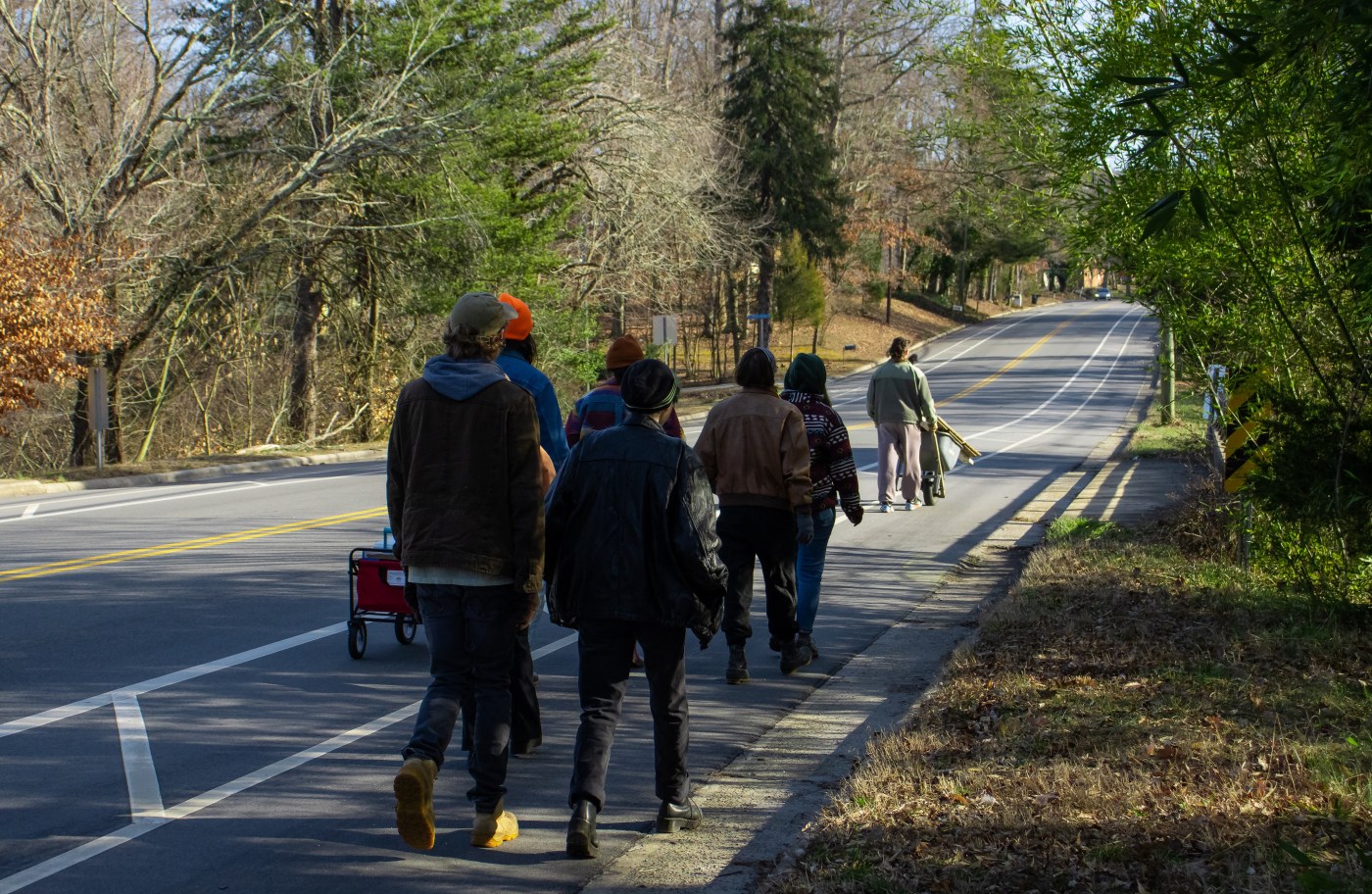
We are carrying on our parents’ legacy by cleaning our natural environment. Whether you’re a Southerner born and raised of this land, or an immigrant landed in this bubble of the world, or maybe you’re someone in between, your actions toward the environment reflect your ancestry’s cultures.
Read more: Carrying On A Legacy: Trash Pick-Up by Southerners, Immigrants, and More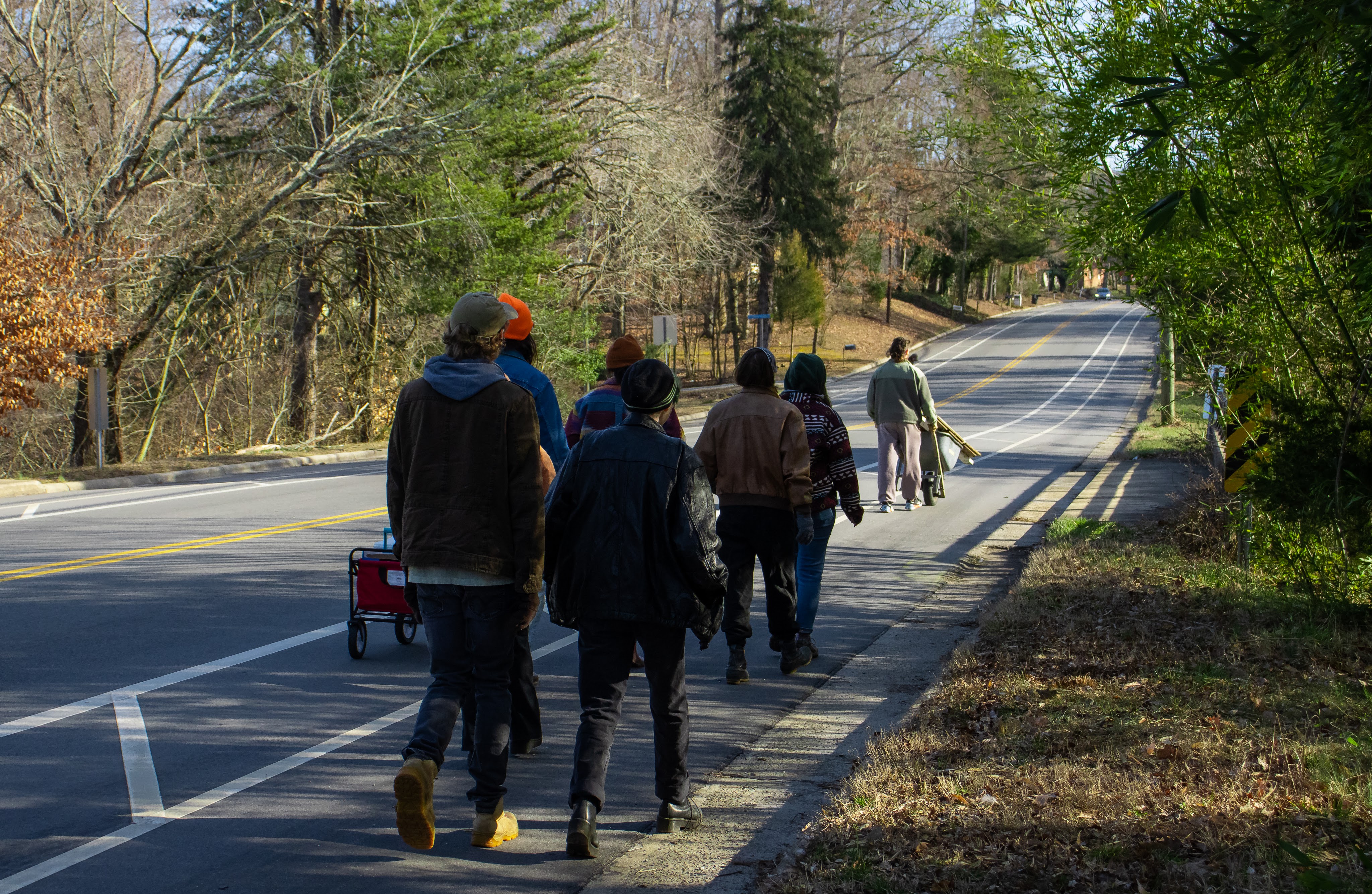
Southerner Born ‘n’ Raised
It is not only Pete whose background is entrenched in the culture of the south, but many of our trash pick-up attendees. “The south” and “the country” are contextually interchangeable, given that this region’s climate is ideal for a variety of agriculture. Those who grew up on southern farms or around them know: we cain’t grow nothin’ if our dirt ain’t clean, and we cain’t hunt nothin’ if our game ain’t livin’.
The Foushee’s Legacy
As discussed in the first Trash Pick-Up blog review, the Foushee’s were one of the families who built and lived in the log cabin community in this area of Greensboro. It was hunting land, and in order for other families to settle and be allowed to hunt, they were obligated to build a log cabin. As Greensboro grew, the Foushee’s sold a piece of their land to the city to build the Four Season’s Mall, and then another piece, the Twin Lakes, was made a conservation to ensure that some part of their beloved natural land remained untouched.
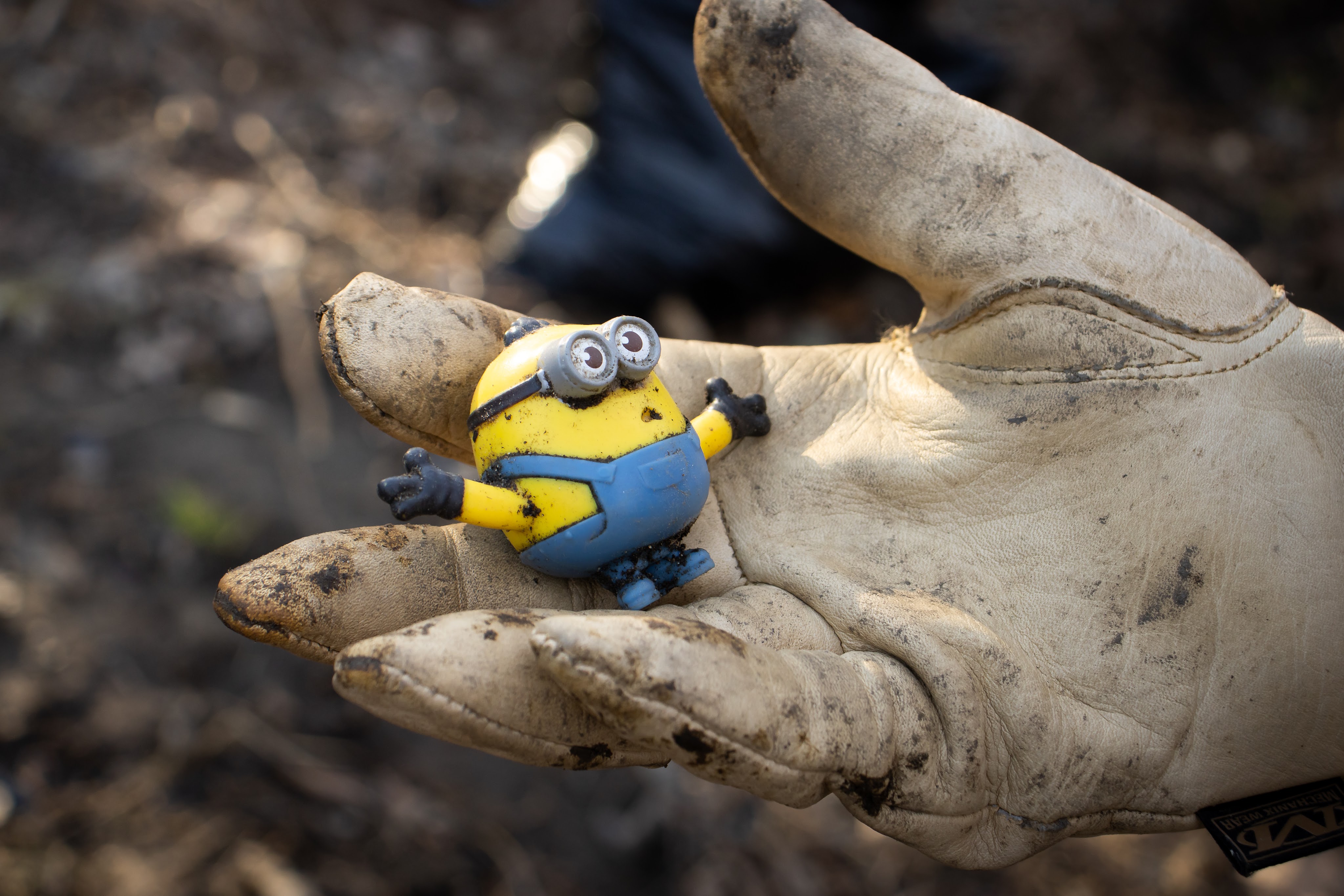
Unfortunately, these neighborhoods and in turn their environments have since been overrun with trash. Our society does not prioritize the preservation of wildlife the way we should. Farmers and hunters are statistically more likely to identify as politically conservative. Despite modern stigmas against conservatives, plenty of farmers and hunters are knowledgeable about and advocates for environmental preservation.* It has likely been decades since these lakes have been cleaned of trash to this extent, and we are proud to be carrying on the Foushee’s legacy by doing just that. See the Piedmont Land Conservancy’s record of the Foushee’s land donation here.
*To be clear, I do not identify as a conservative. I do not identify with any political labels or terms. Additionally, my college degree was in Political Science, so please rest assured that my decision not to identify with any particular political group is a choice made of ignorance.
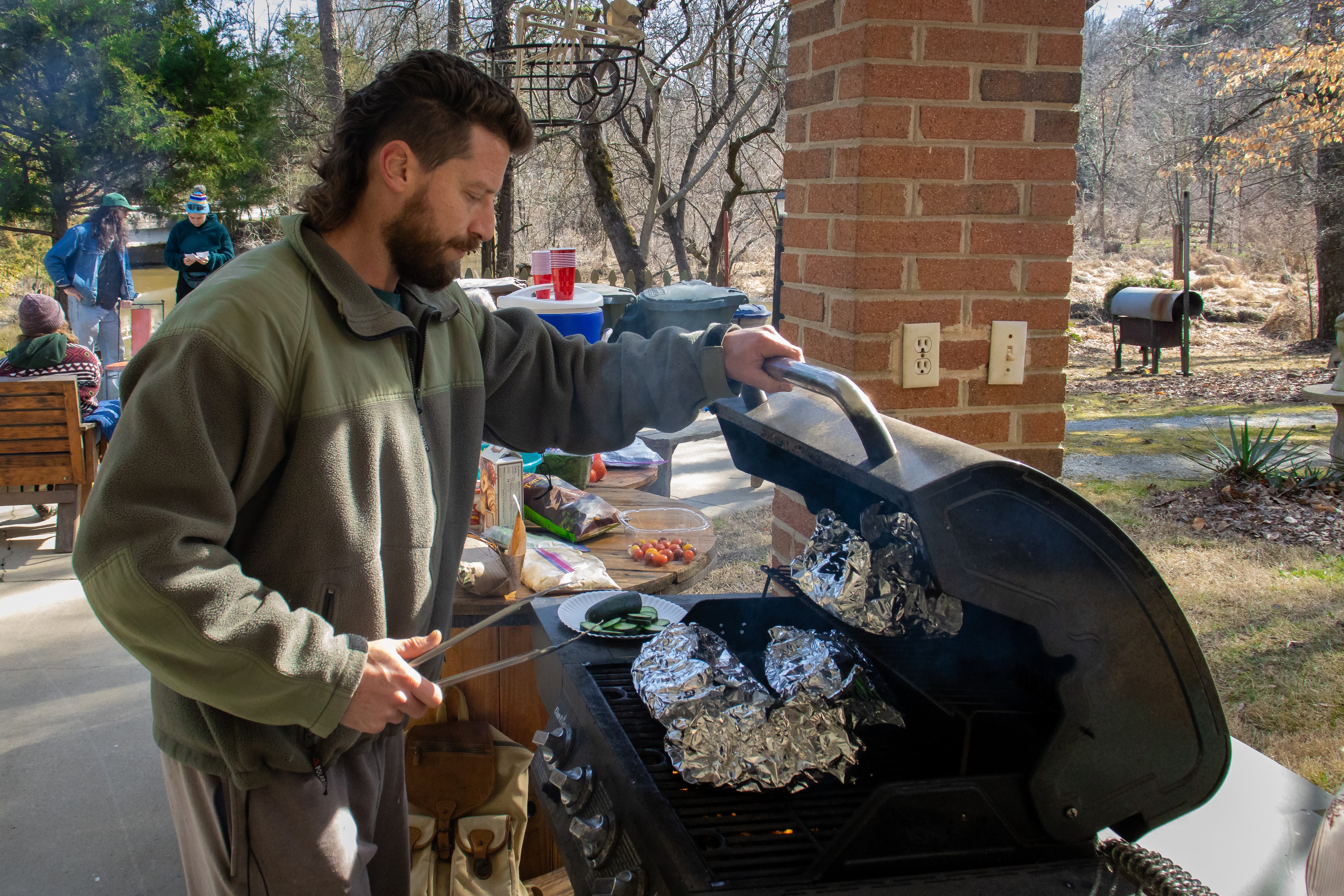
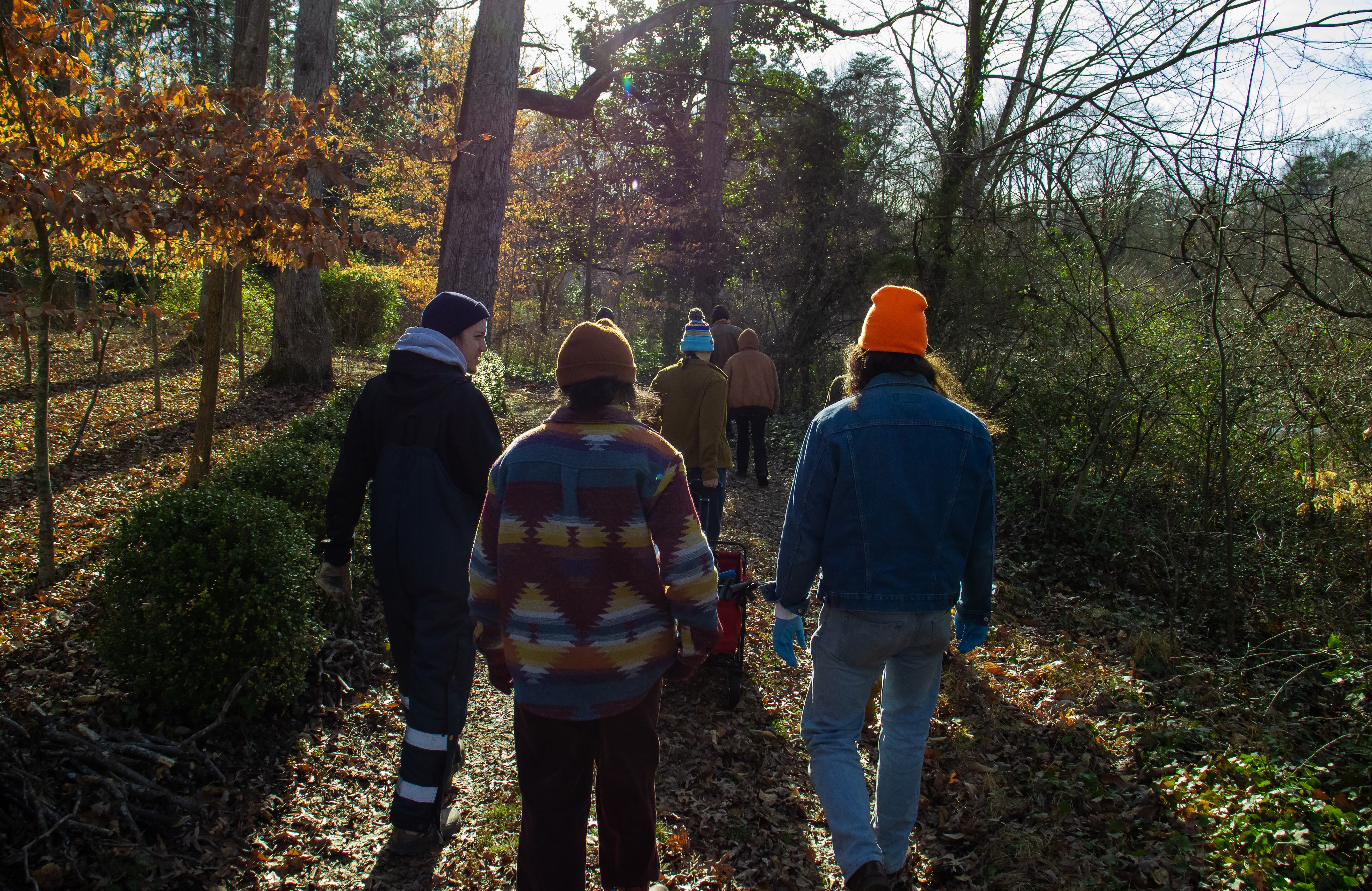
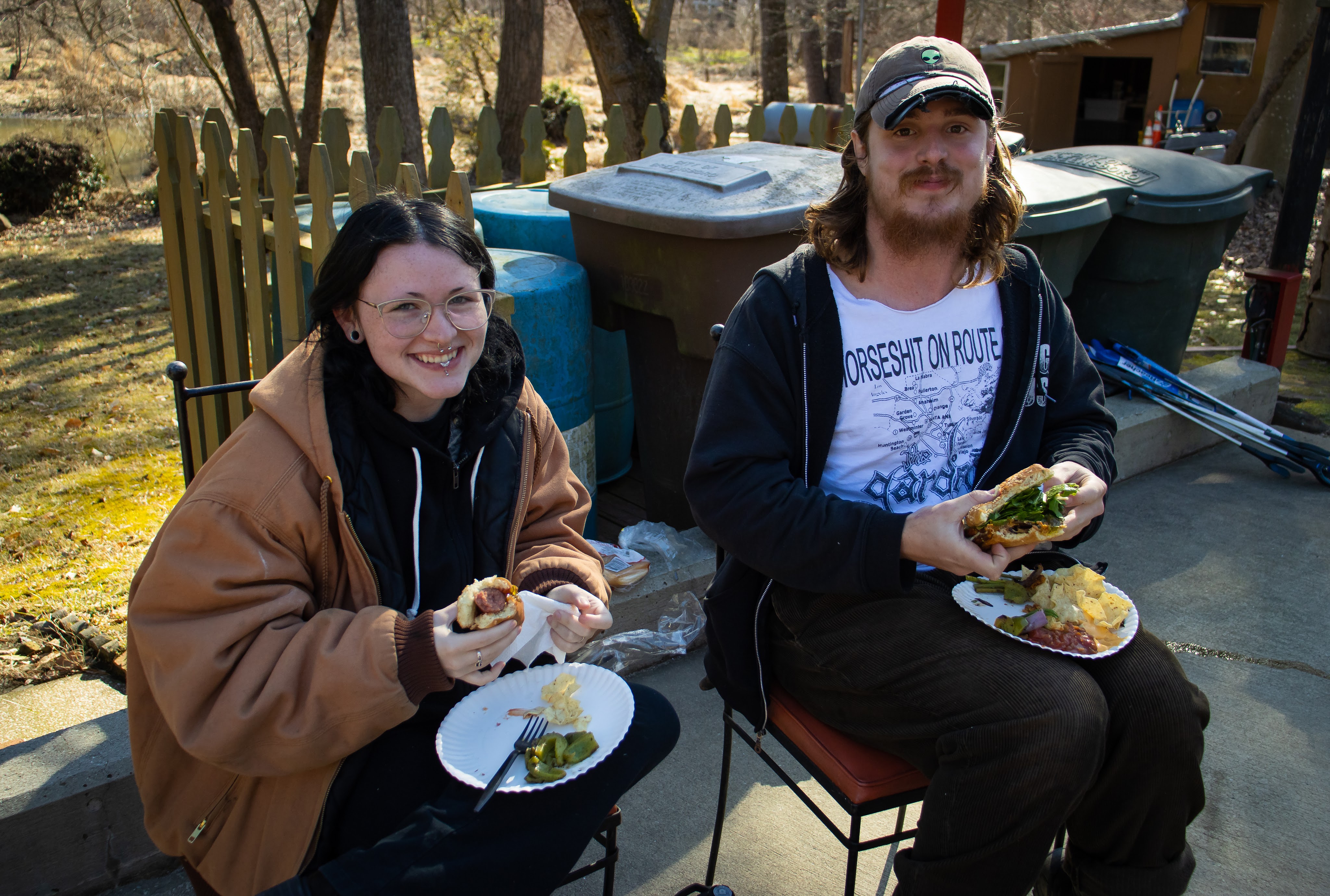
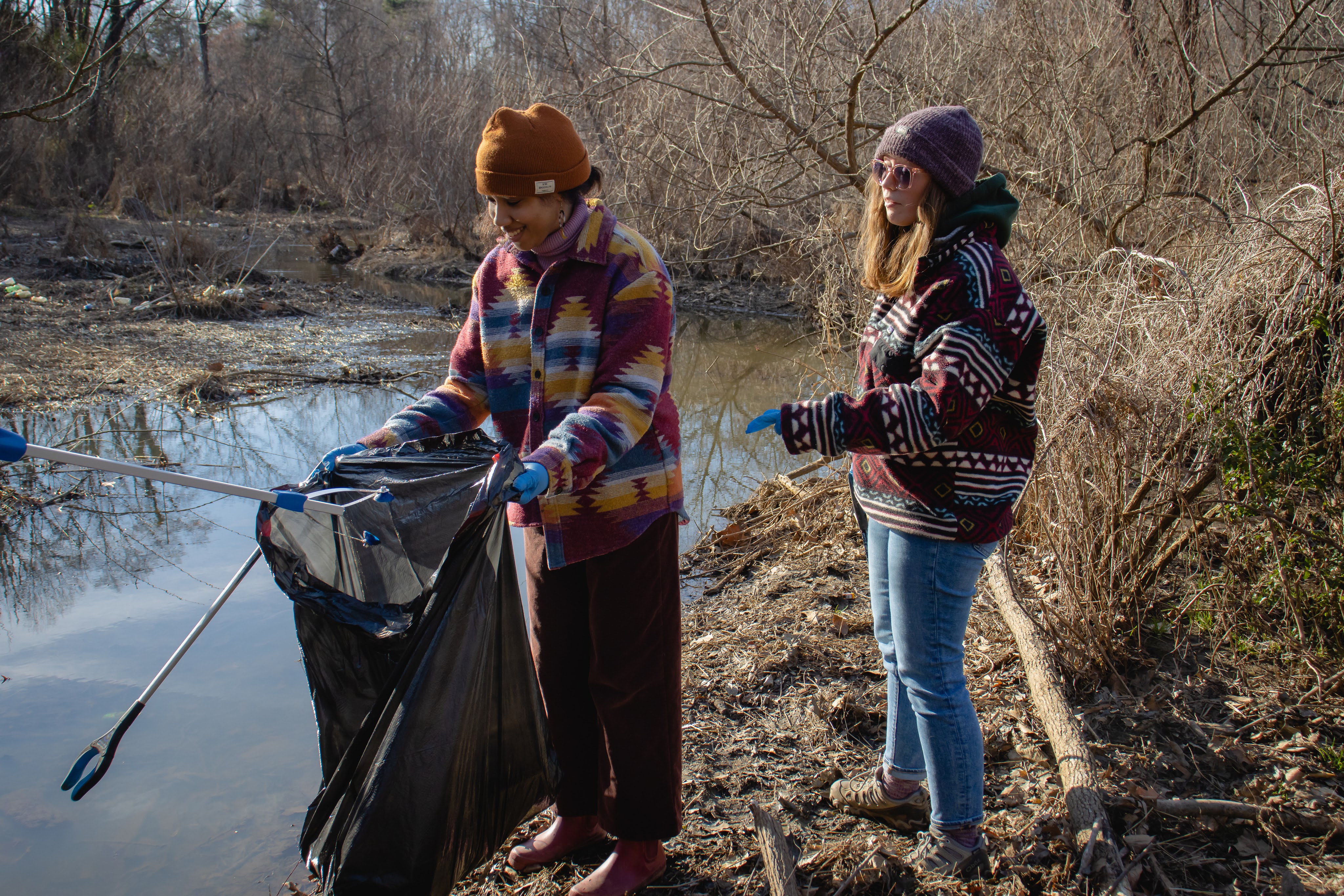
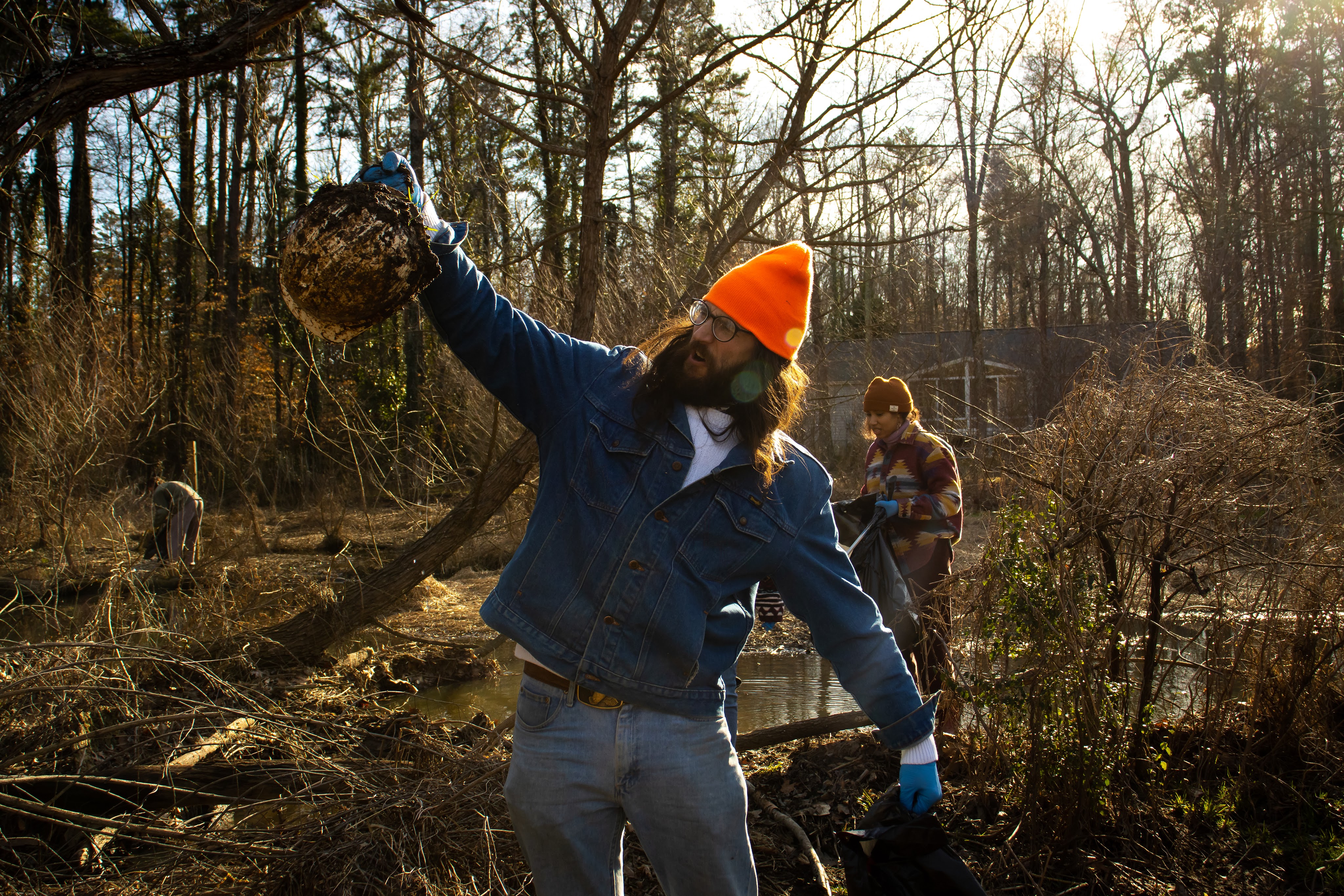
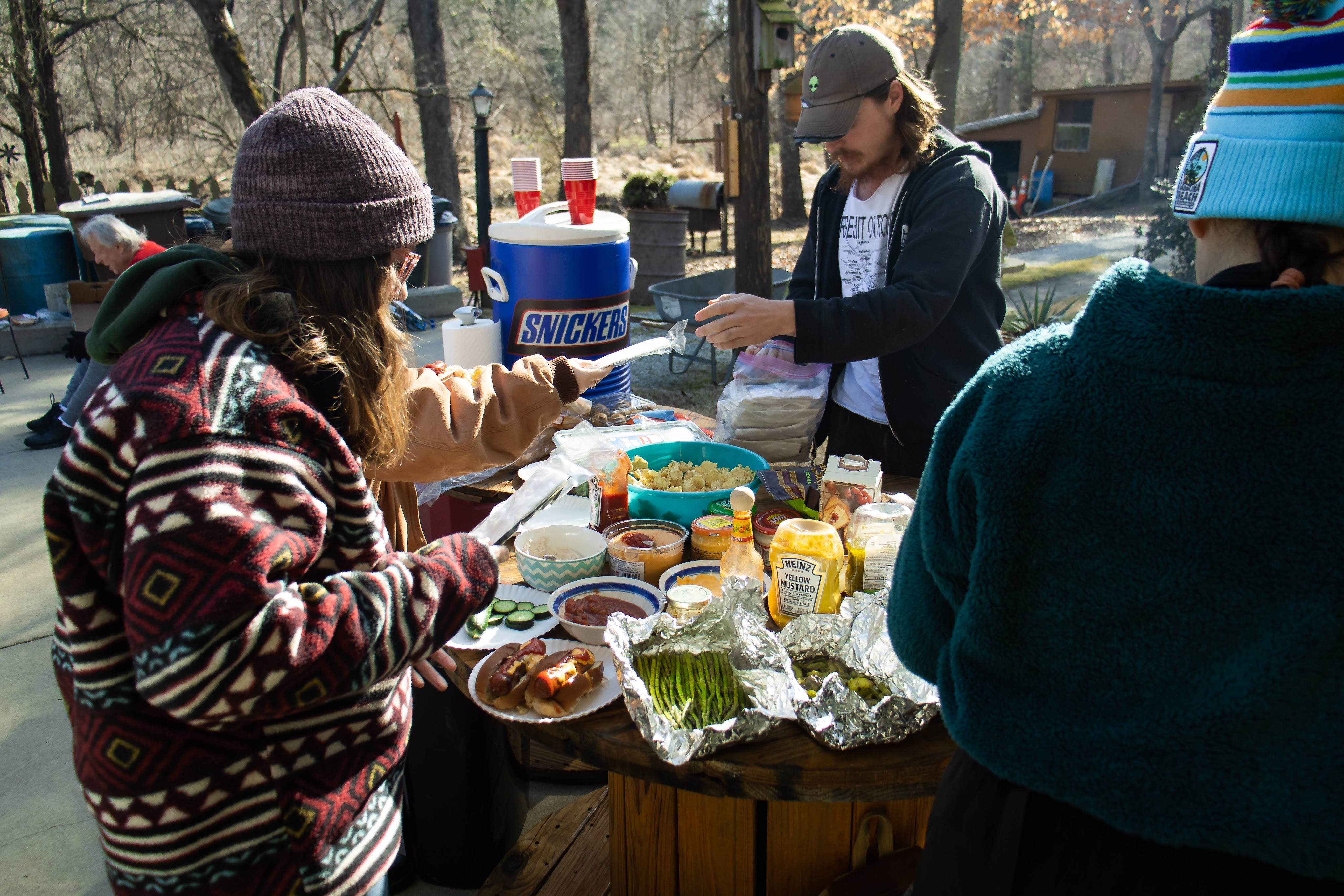
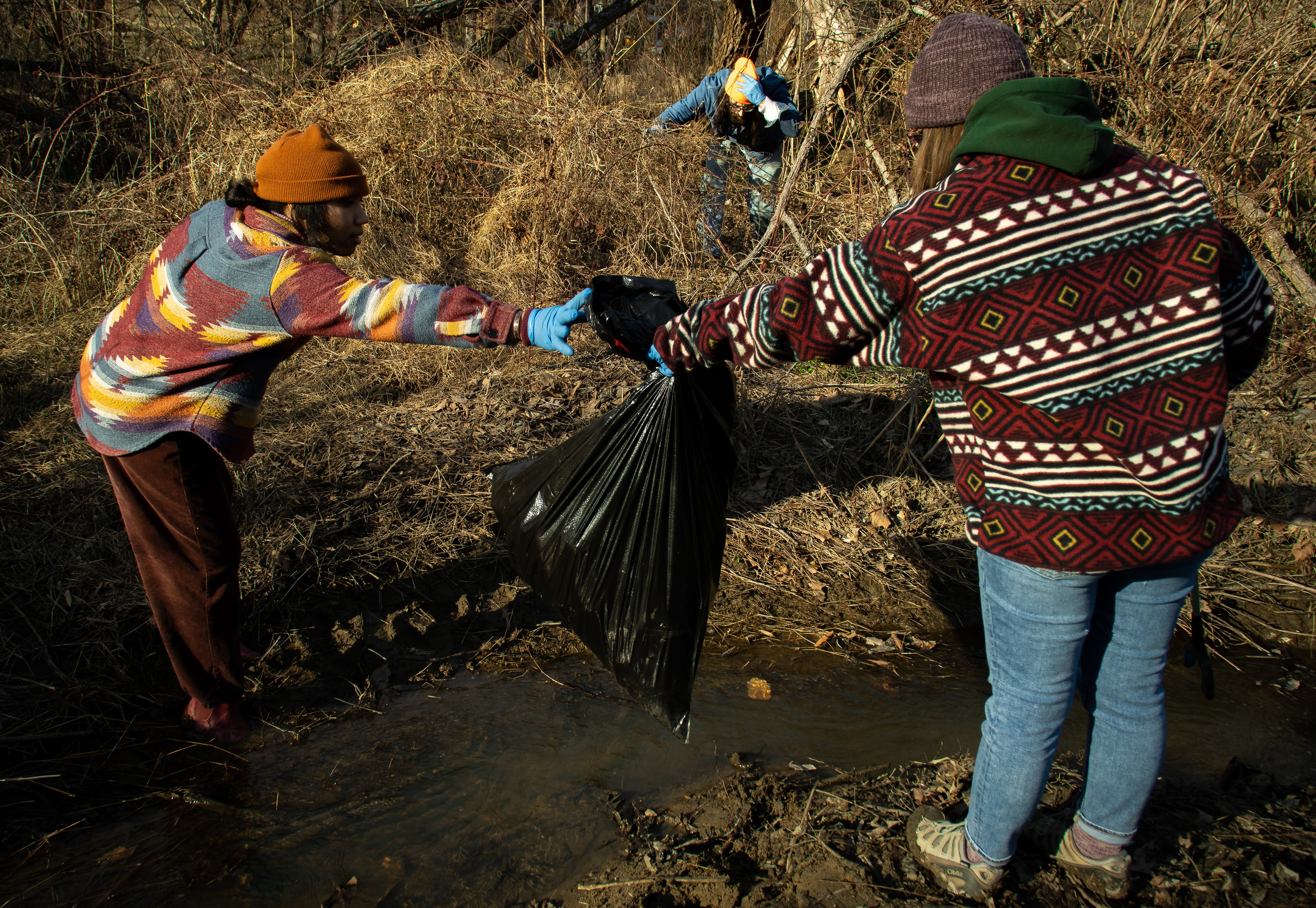
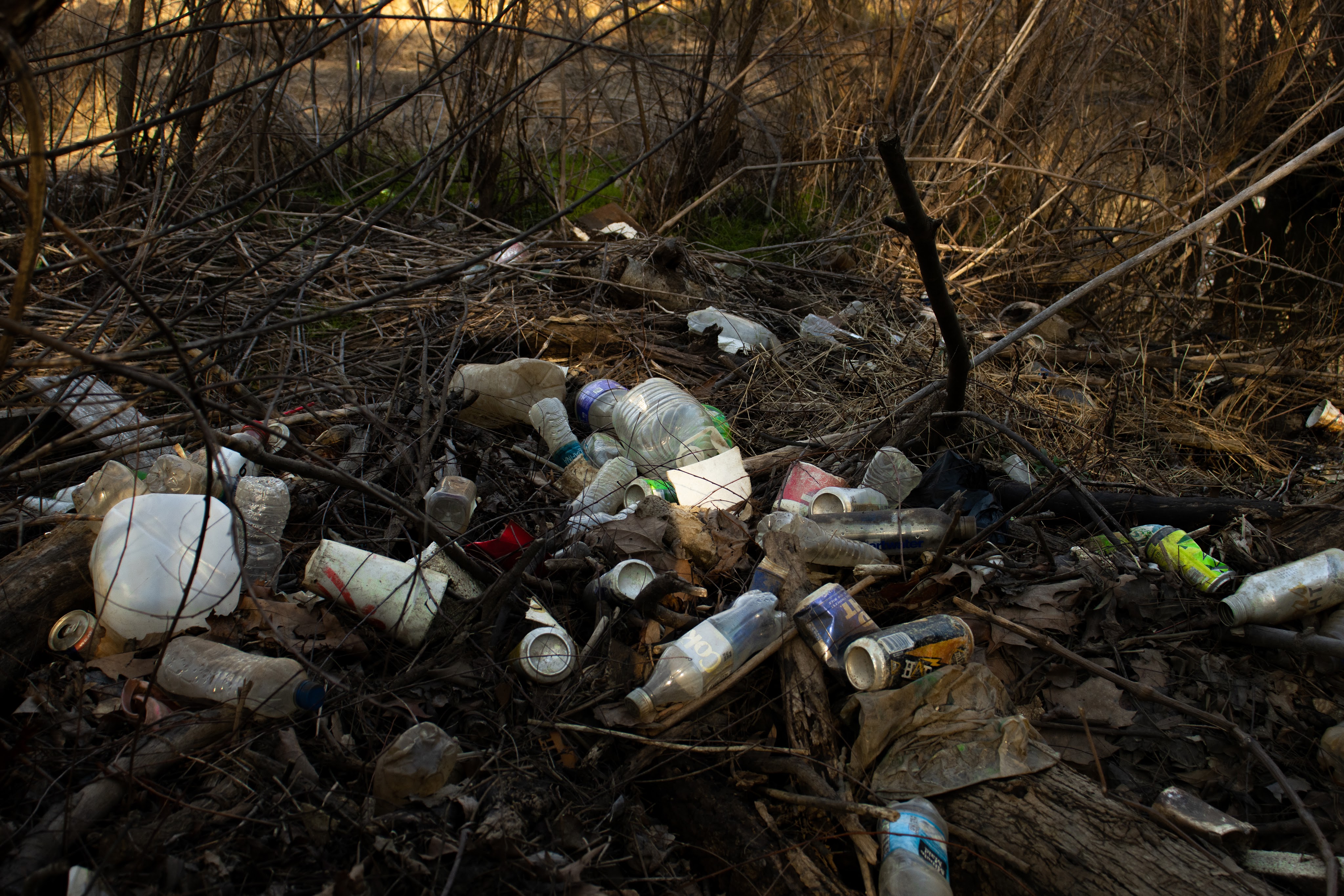
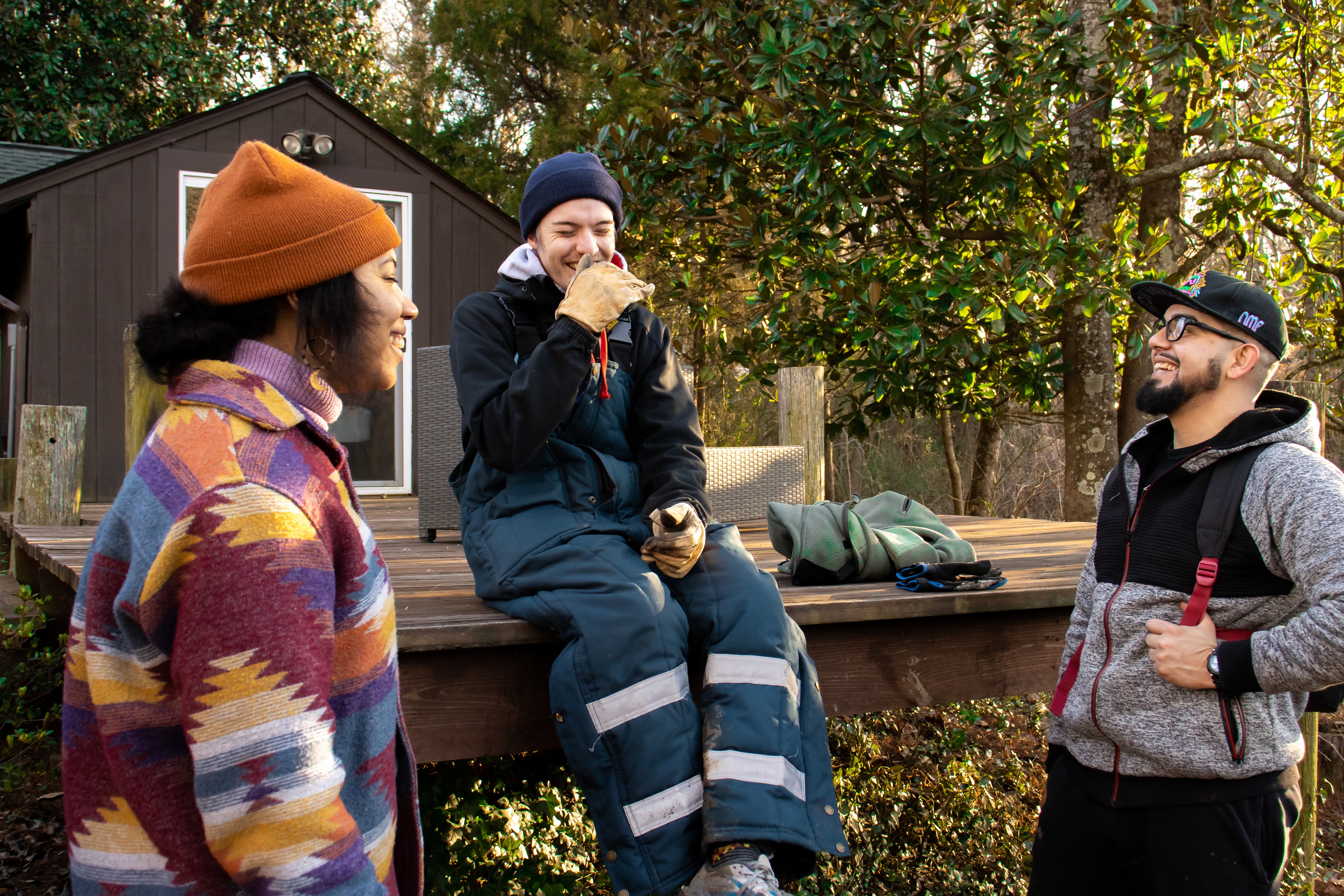
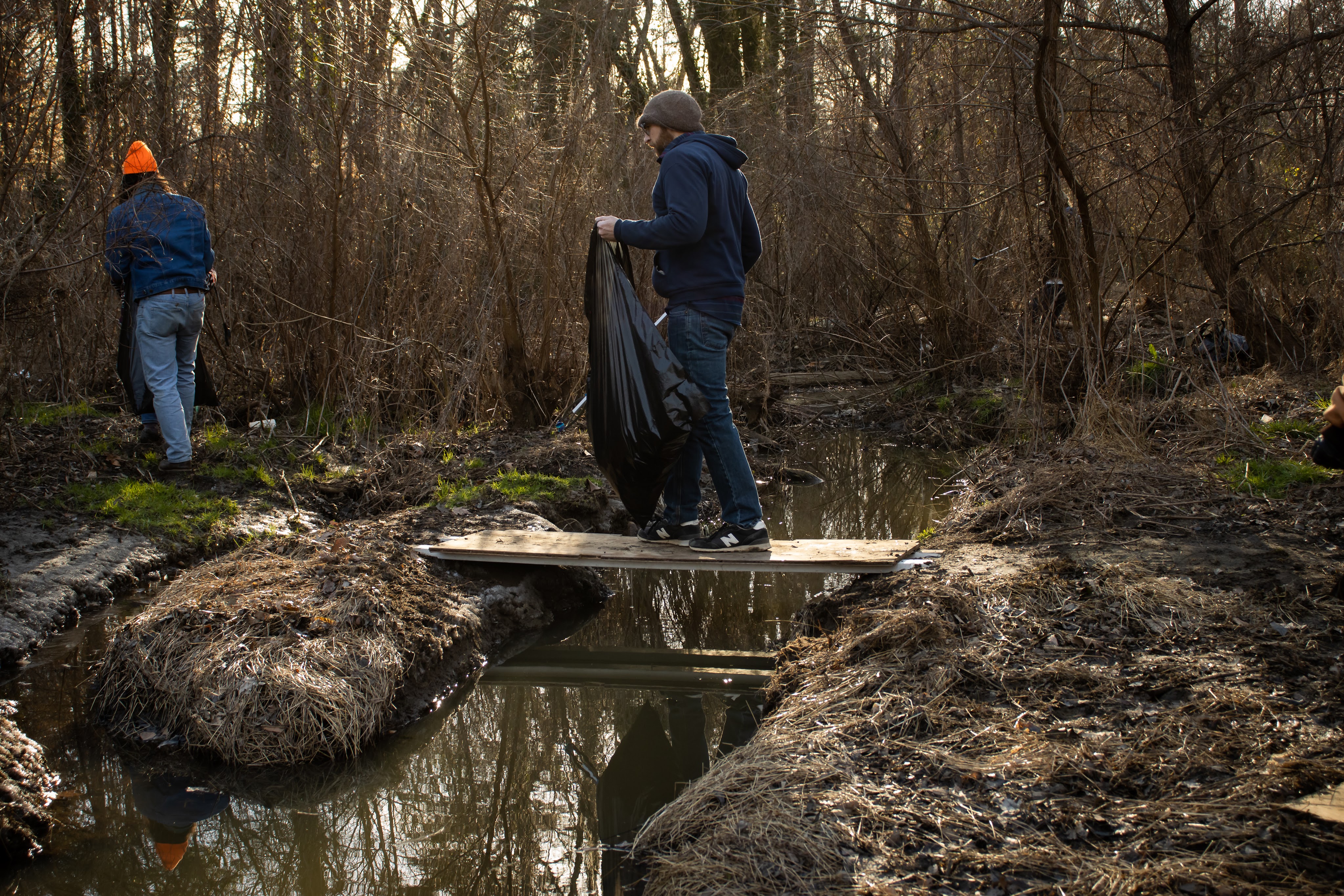
Check out the full album on Facebook here!
An Immigrant Raised in the South
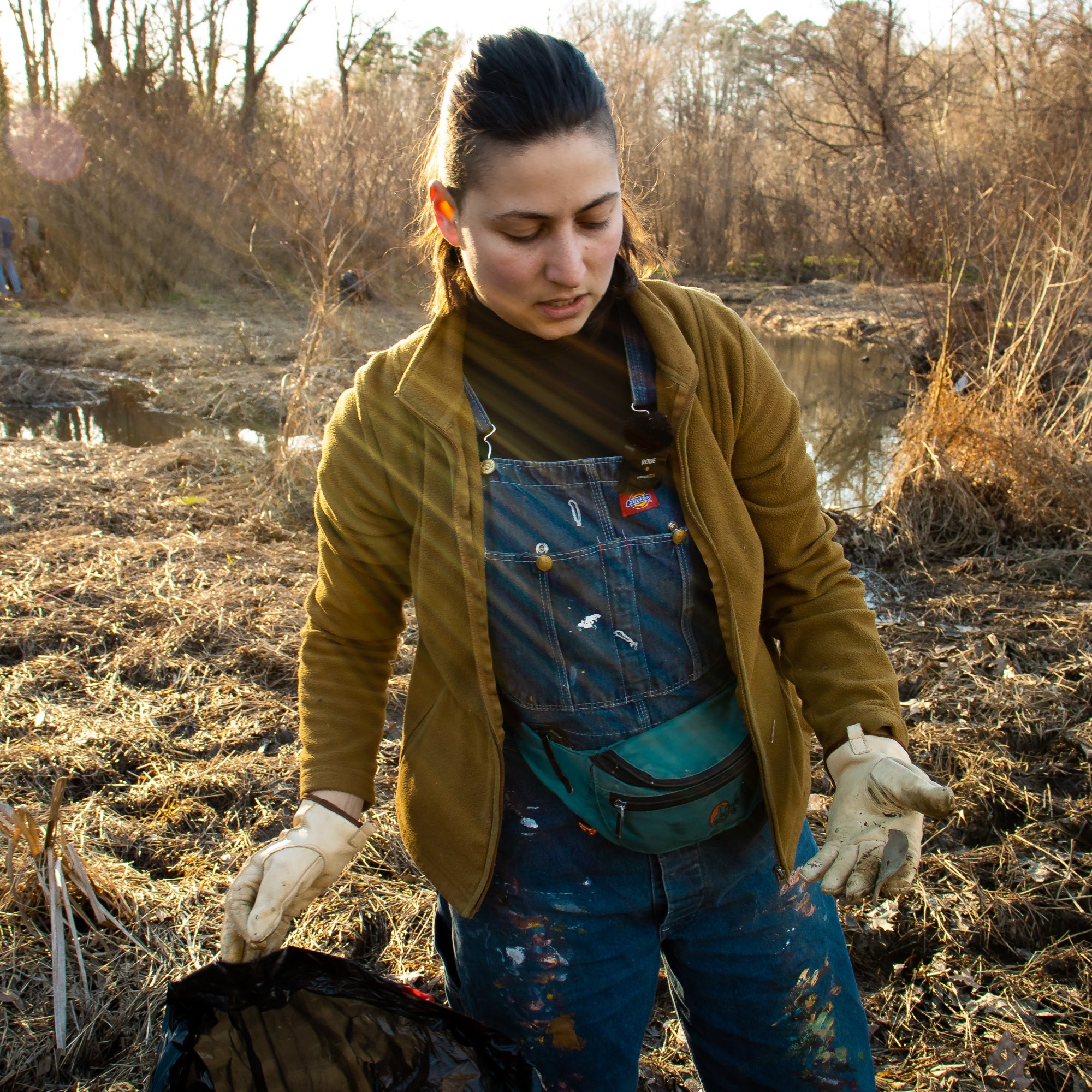
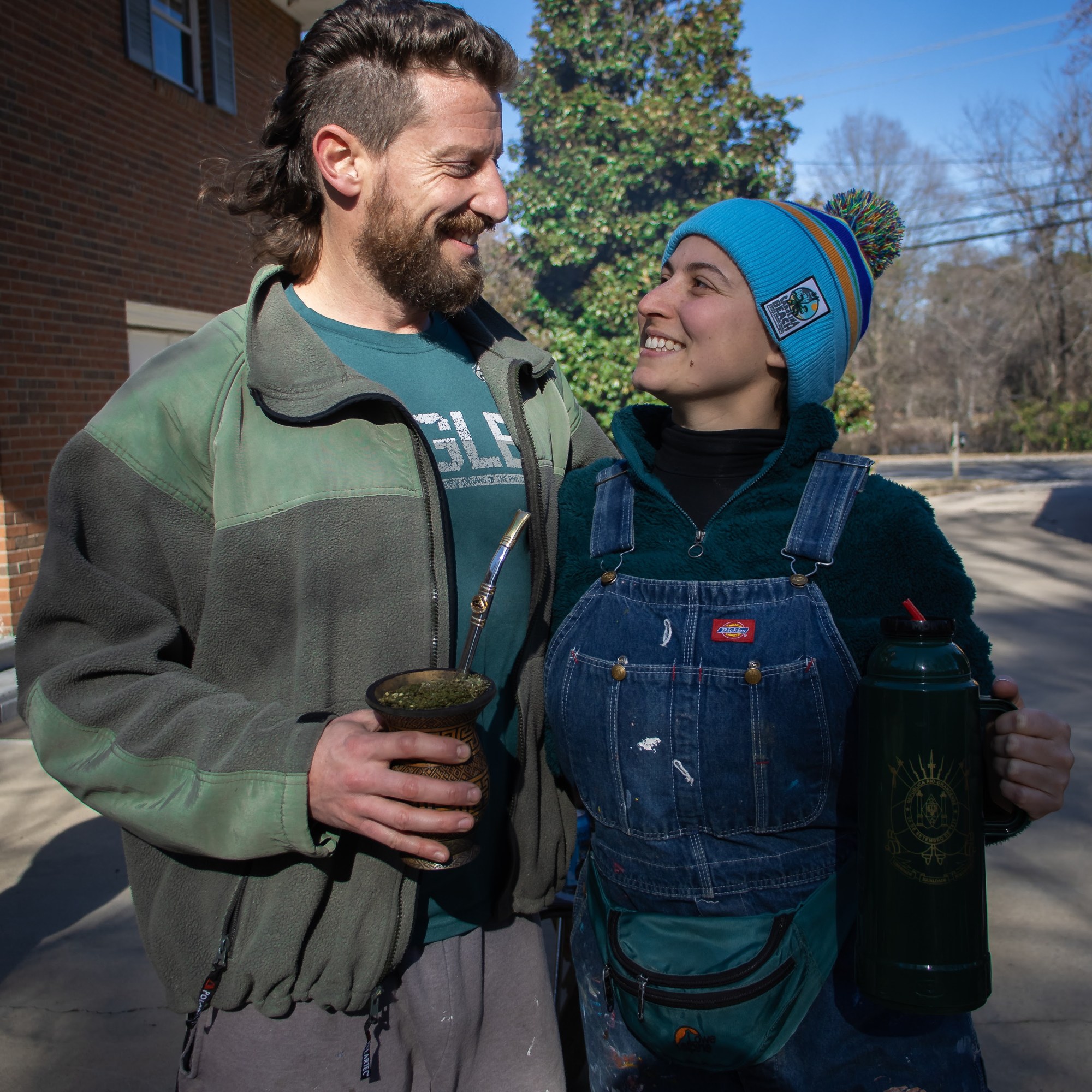
As for my own ancestors’ legacies, I am also carrying them on, albeit with a different take. My grandparents’ grandparents once dreamed of living in the United States, and my grandparents were the first in their families to achieve a lifestyle beyond the state of poverty. I recall quite clearly my grandmother saying to me when I moved away, “You will be the first in our family to study in the land of opportunity.”
Now let’s be honest about the American Dream: not quite so dreamy, right? And don’t get me wrong… I am an immigrant whose migration did indeed result in greater opportunity. For others, not necessarily. US citizens, born and raised here, have not necessarily had the privileges I have had. I have been given immense support, resources, and open doors, all for which I am utterly grateful.
But the point isn’t whether or not the metropole is as we think it is.** Rather, my being “the first to study in the US” translates into me having access to opportunities that my grandparents, parents, uncles, aunts, uncles, and cousins did not have access to. And as an immigrant, I ask other immigrants all the time:
What Have You Made Of Your Opportunities?
**’Metropole’ is here used as per Frantz Fanon’s interpretation. Below is a short list of links to explore who Fanon is and his discussion of colonialism, racism, psychology, and many more topics.
- “Black Skin White Masks” by Frantz Fanon (this is the book I read for a Political Theory class)
- “Frantz Fanon ’s Theory of Racialization: Implications for Globalization” by Nazneen Kane
- “Frantz Fanon and Colonialism: A Psychology of Oppression” by Blake T. Hilton
After many years of resenting myself, believing I am not grateful enough or doing enough to make the most of what I’ve been given, I have since realized and come to terms with: wait a minute, the fact that I have been able to explore my options and take my time selecting what I truly want to do with myself is exactly what the “land of opportunity” is supposed to be about, is it not?
I clean the land; I share my resources with others, especially those who have none; I continue to advance my knowledge of how to nurture nature, including people, and do my best to make that knowledge comprehensible to others as well; I grow with every experience and encourage growth in my community…
All these things, I do because my parents and grandparents and ancestors before me have all made decisions that have landed me where I am today. How better could I possibly hope to show my gratitude than embodying these values of nature and community to the best of my ability?
Your Parents’ Legacy and Your Own
So, how about you? Do you feel confident in the decisions you make in your day to day? Do those decisions carry the legacies your parents set forth for you, or perhaps have you grown beyond them, and rejected the ones that you have found are destructive rather than constructive?
Please feel free to drop answers in the comments below. I would love to hear about your experiences, be it born-and-raised here in the south, or be it immigrant-come-to-the-US. Each of our unique stories combine to create our community, and sharing them amongst ourselves empowers us to care for one another as well as our environment in a better way, every day.
Special thanks to Brian Hornfeldt, our awesome photographer who continues to amaze me!
 absgeller