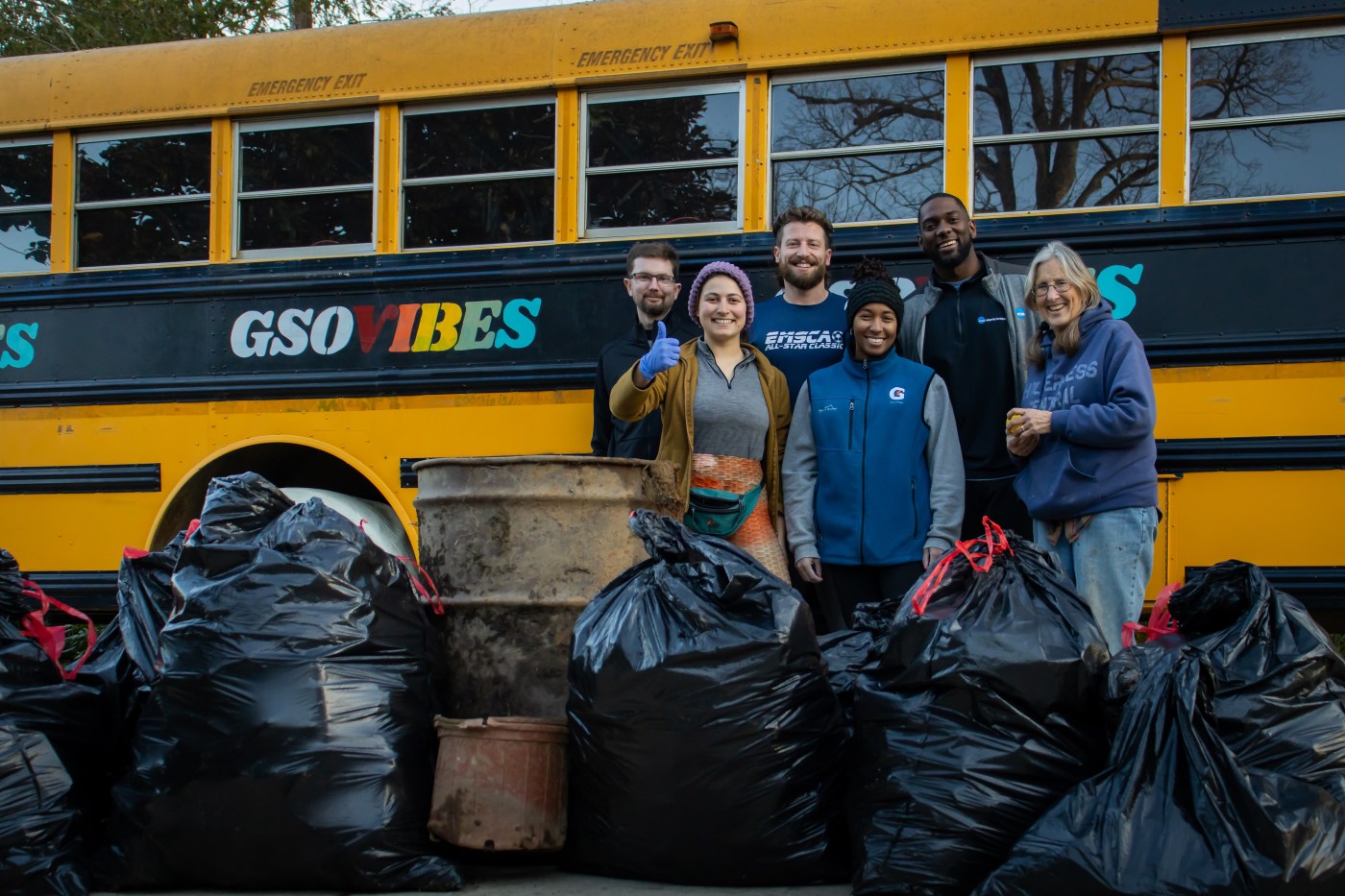
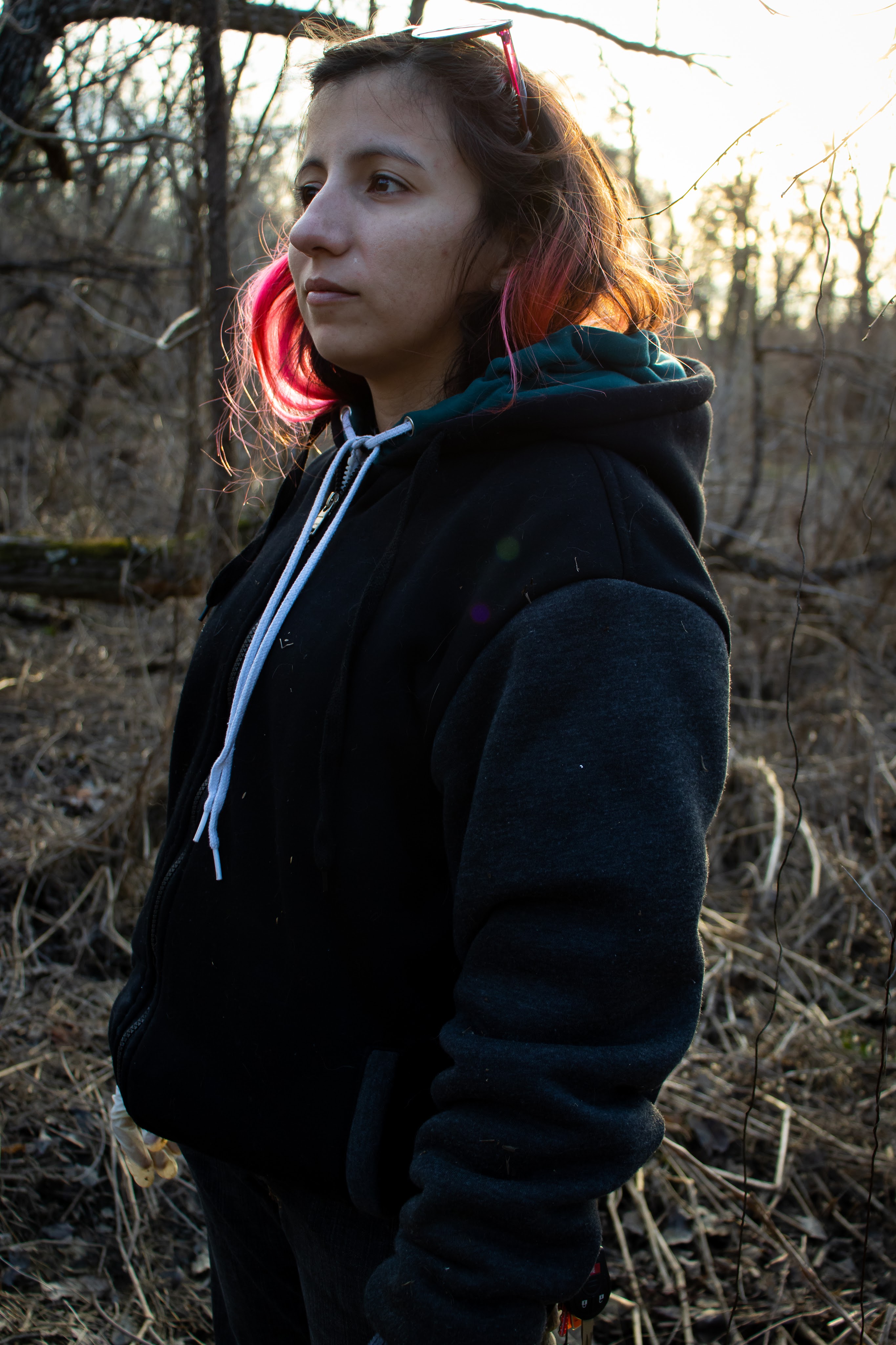
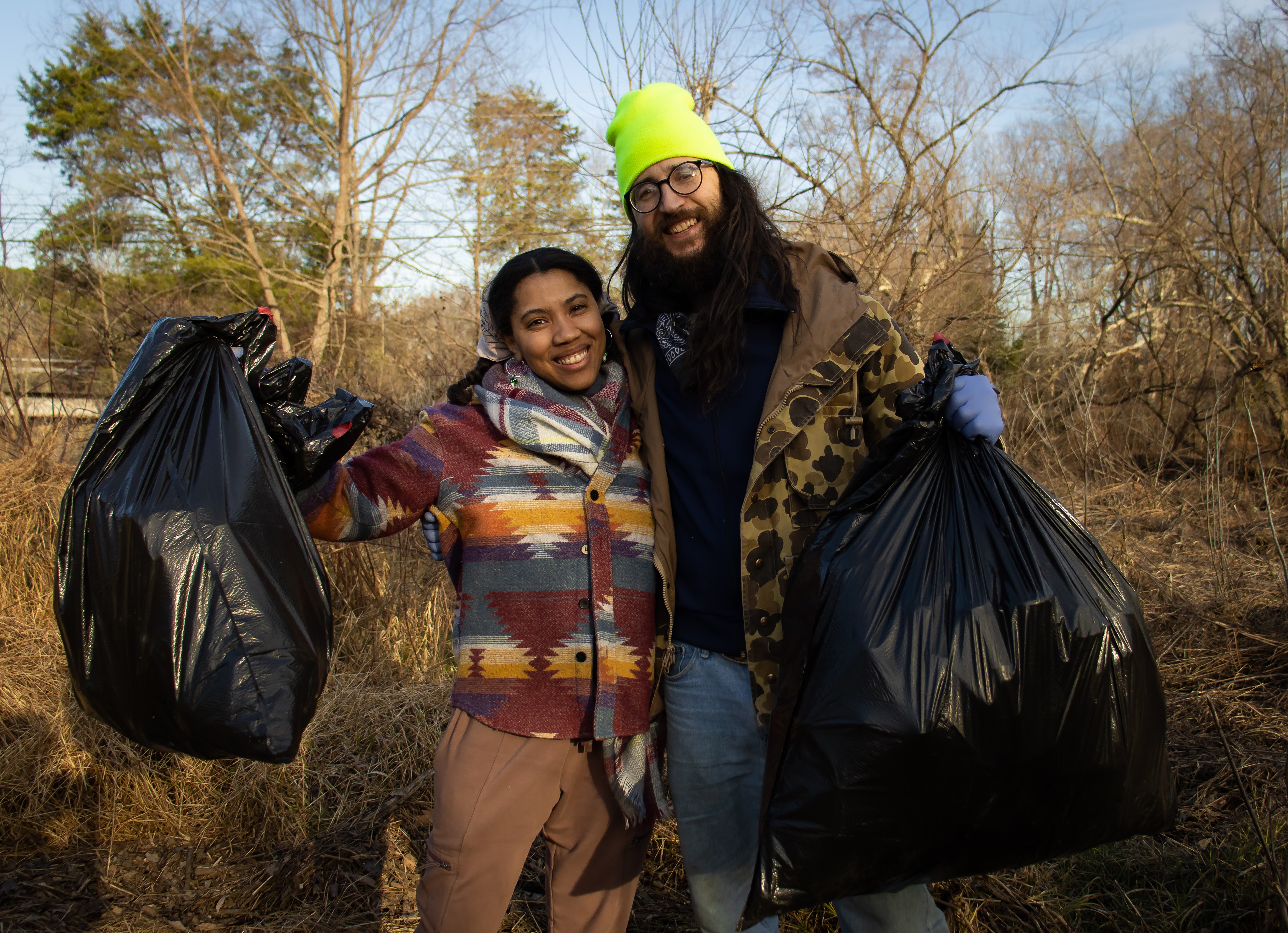
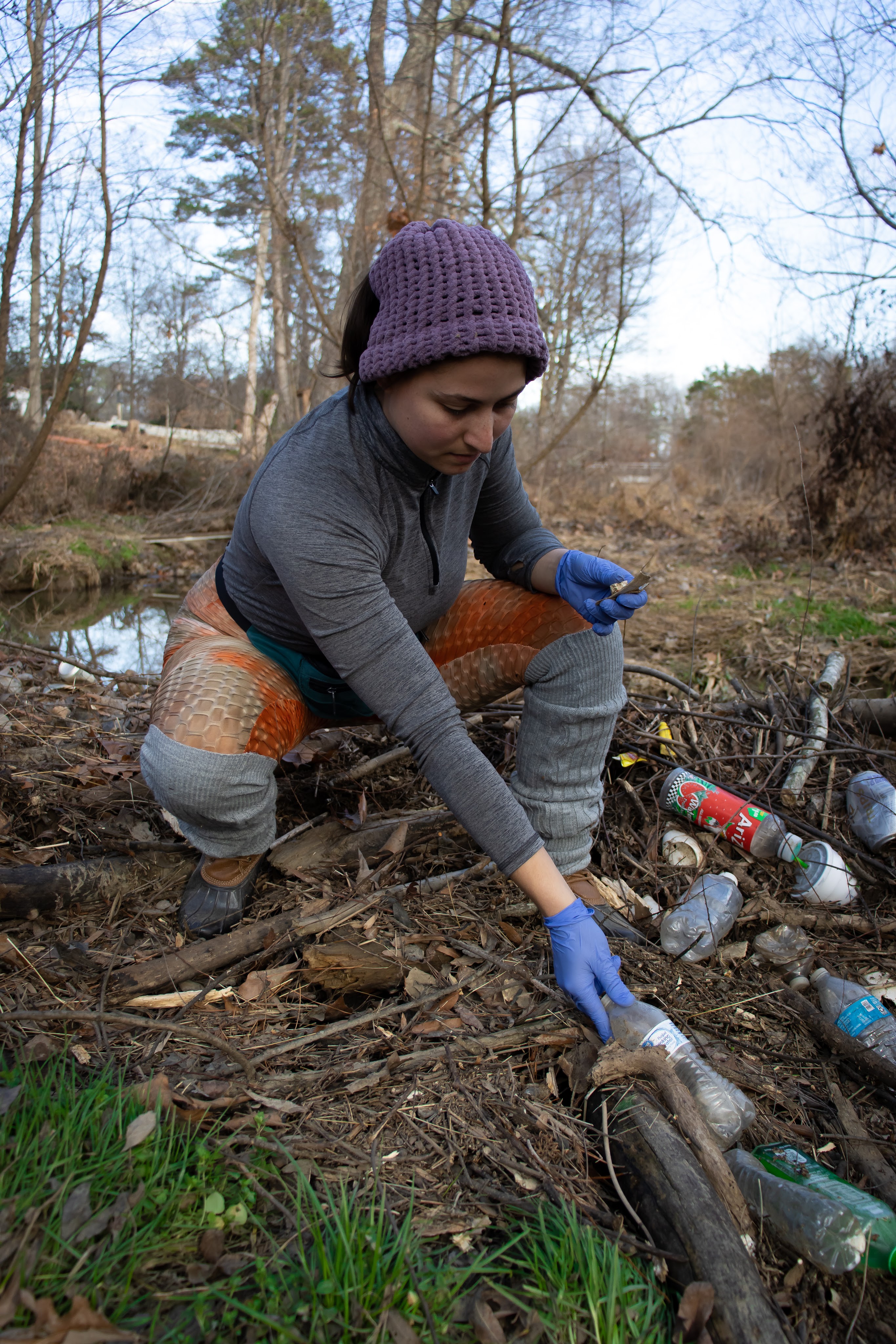
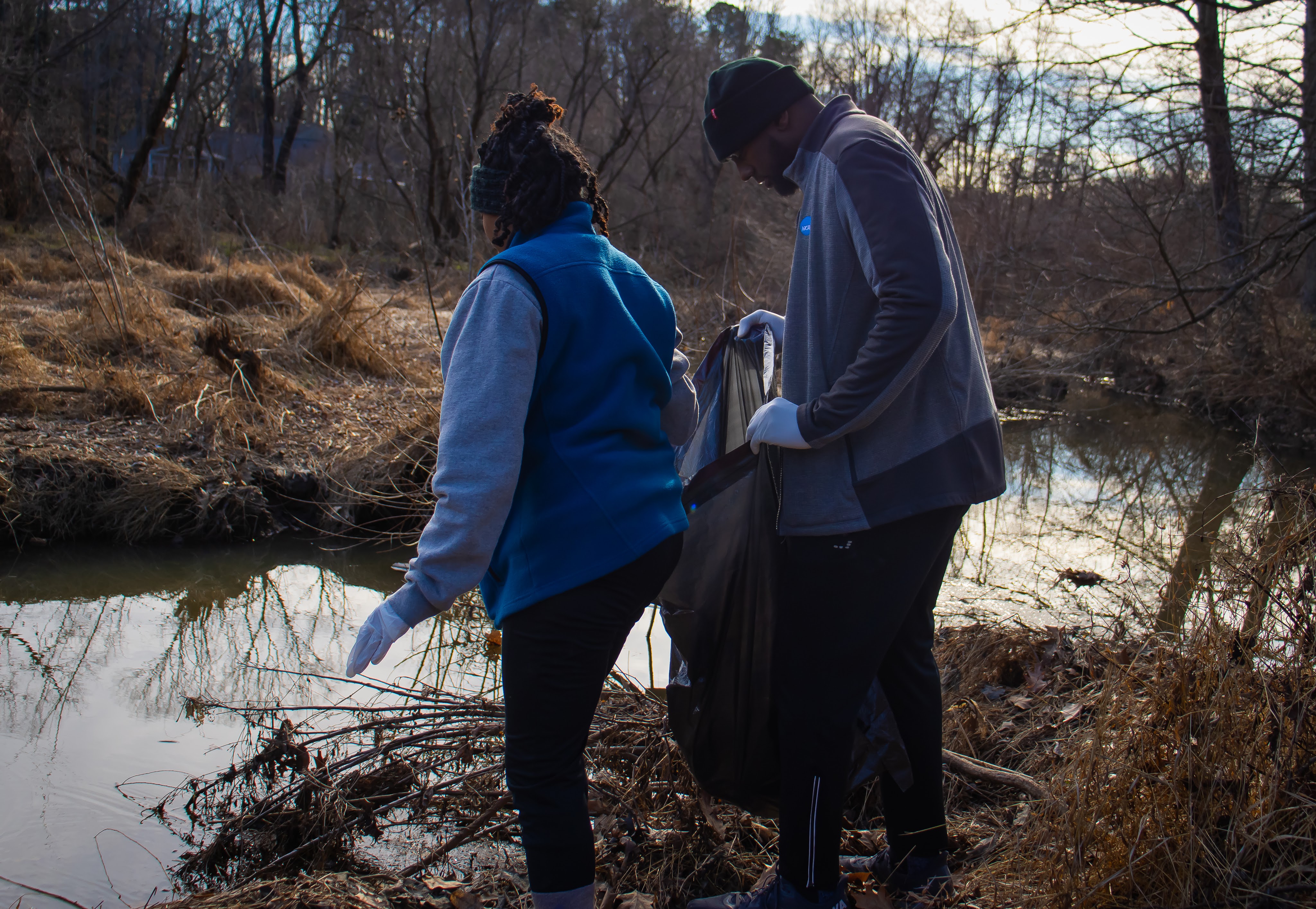
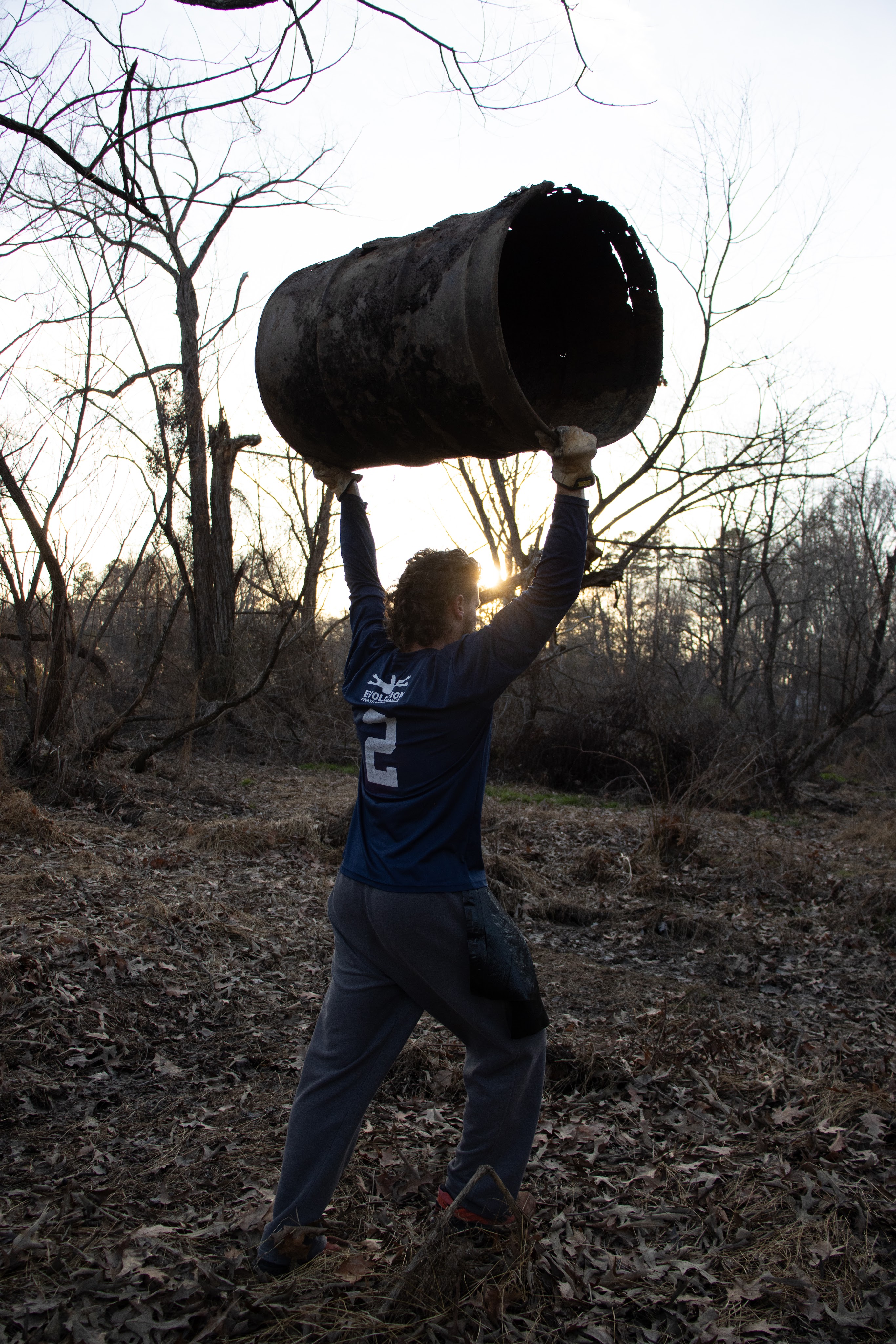
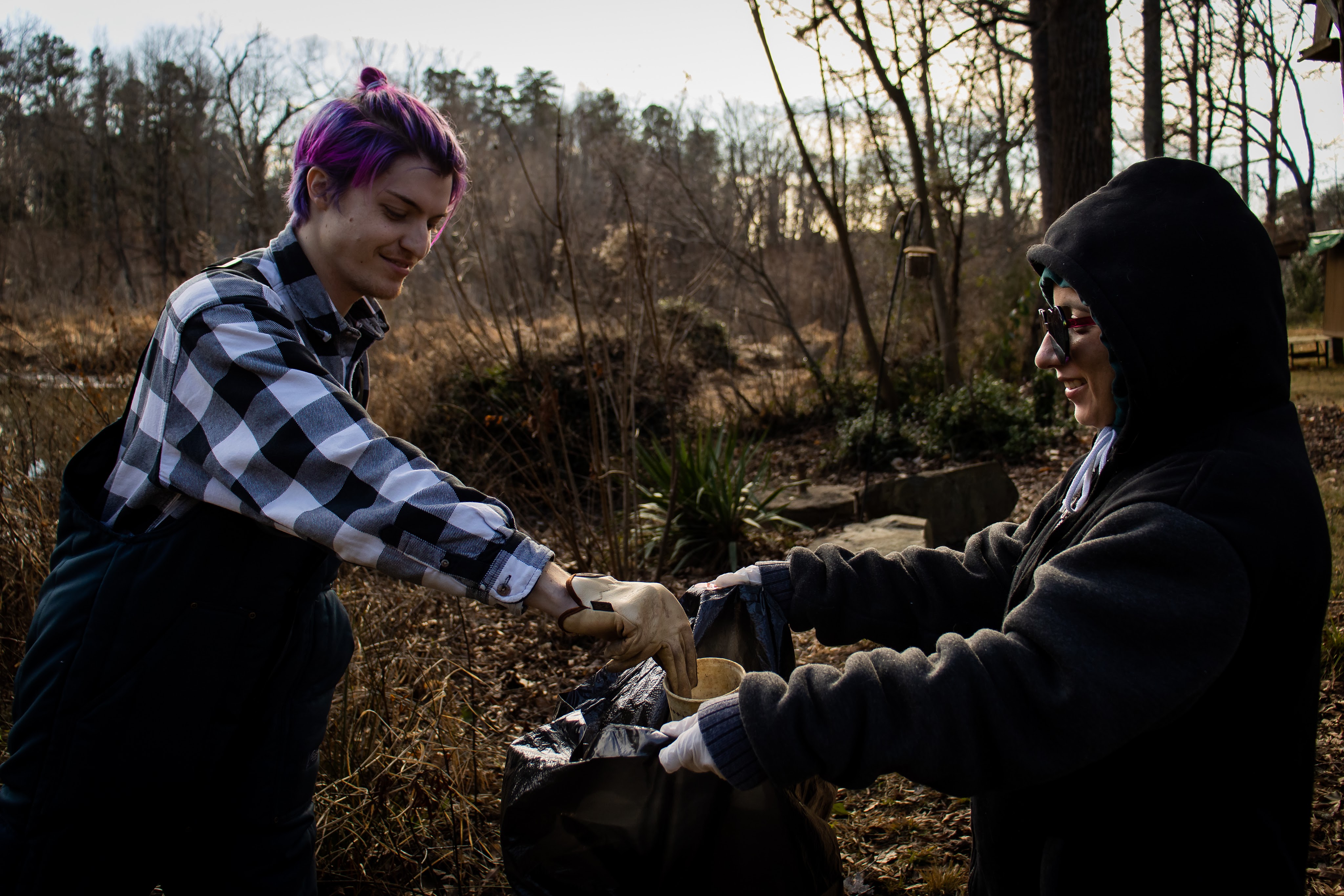
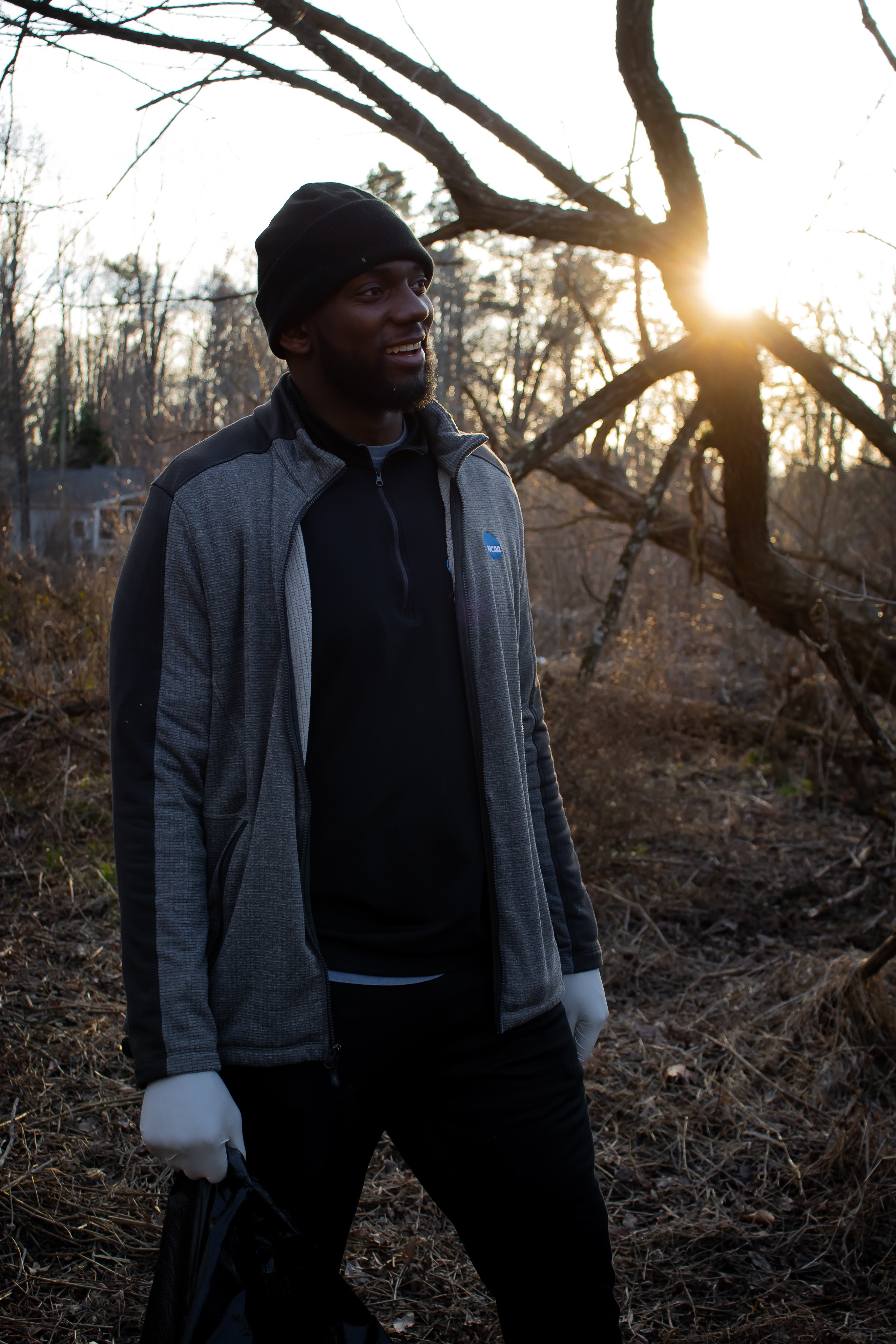
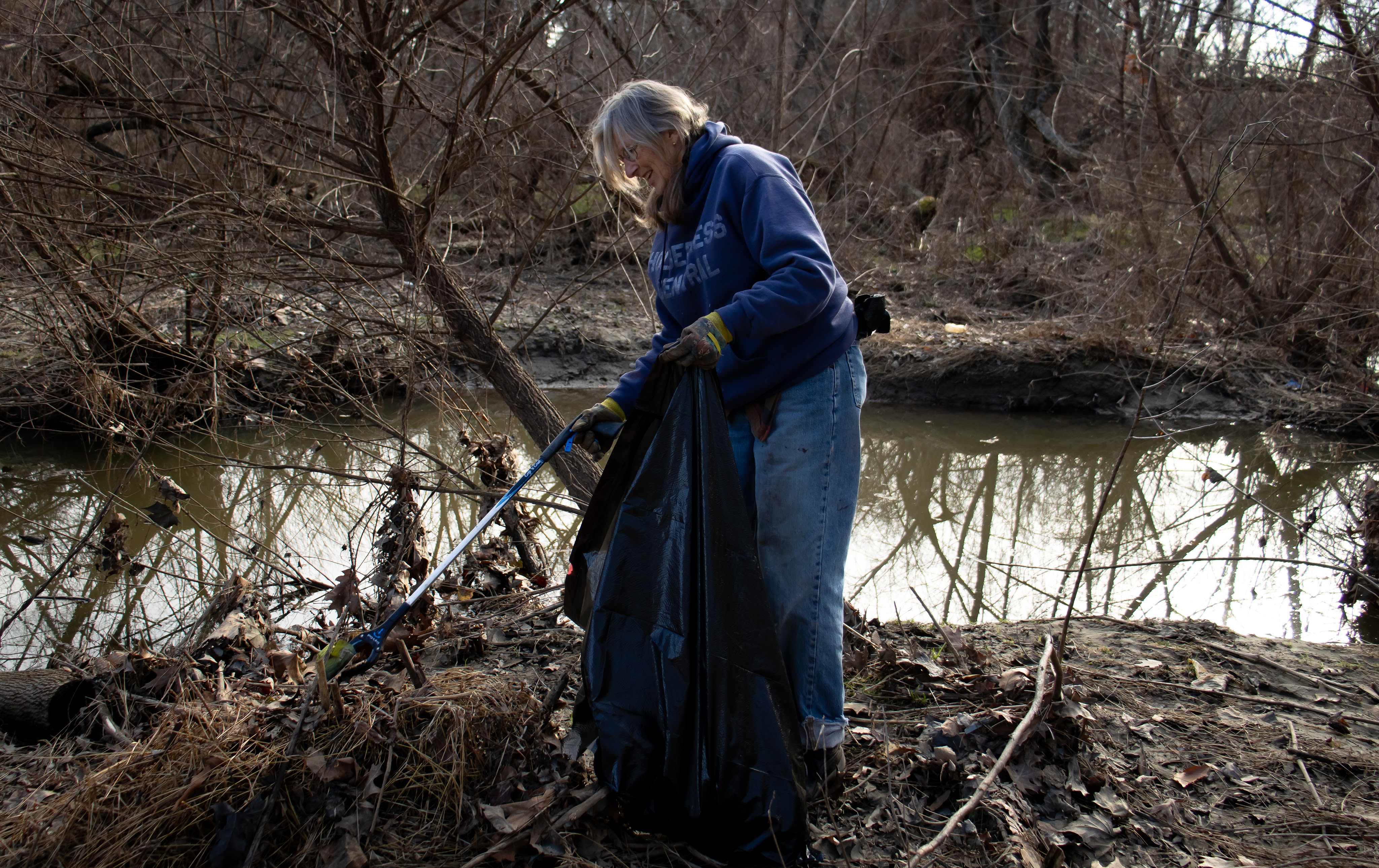
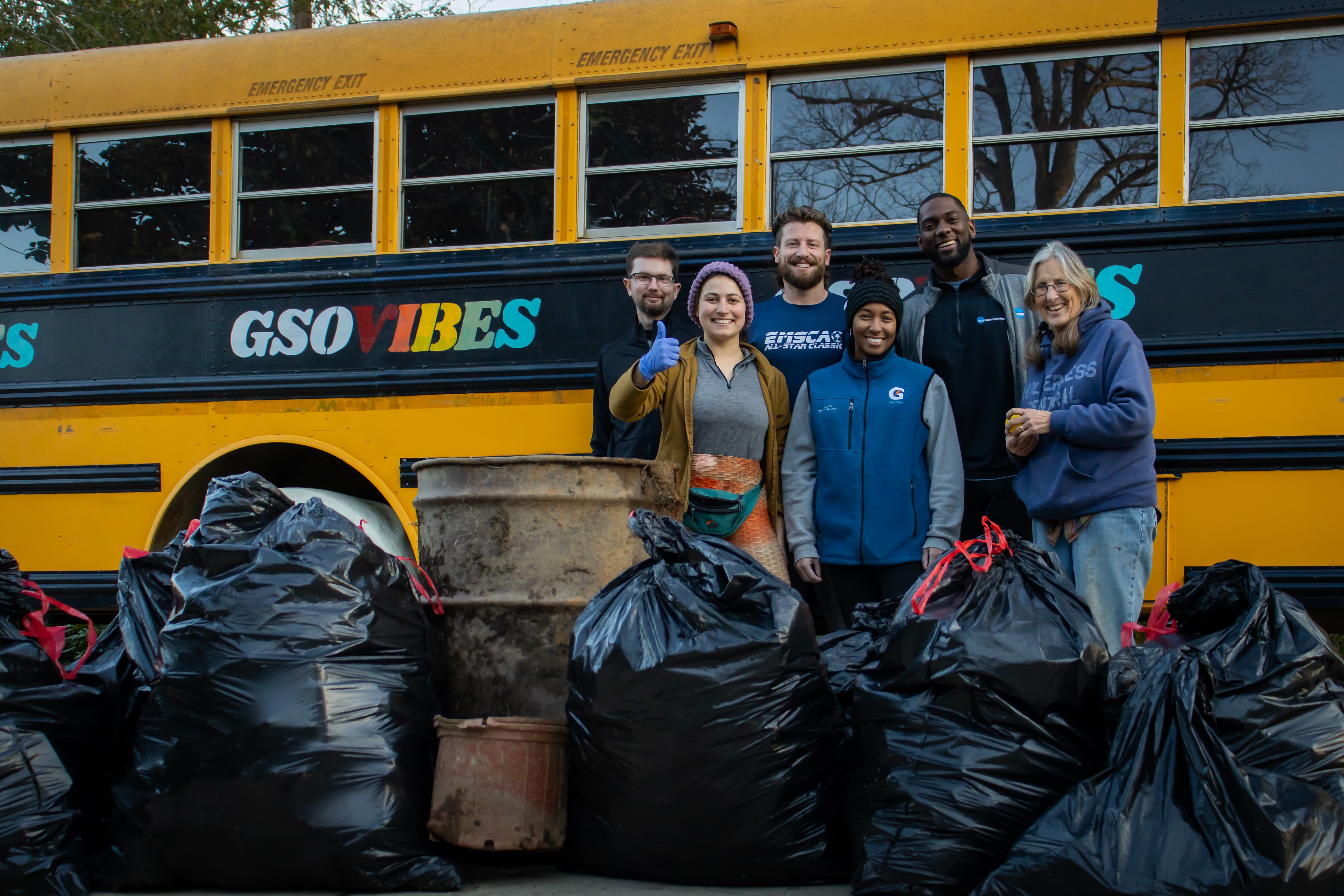
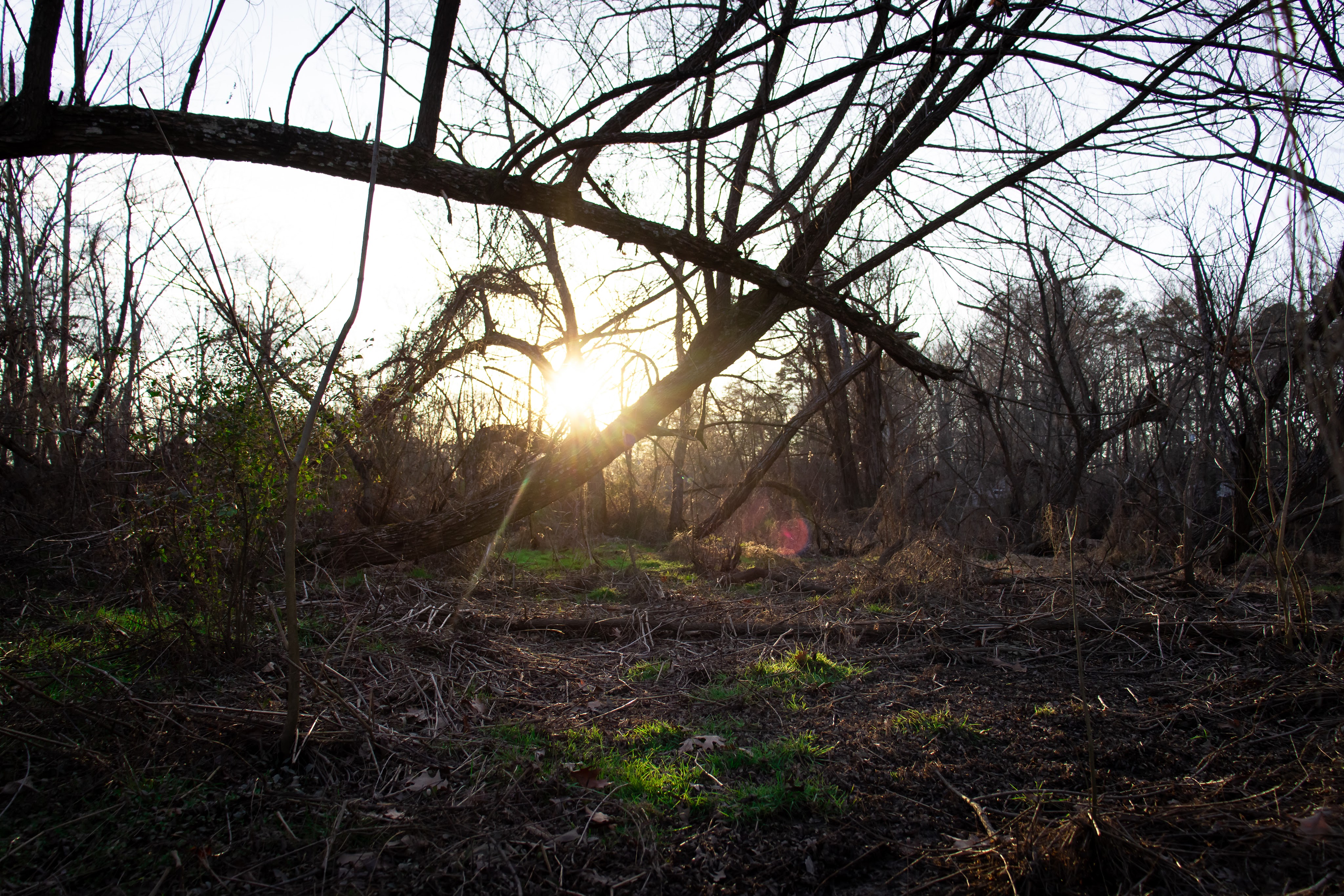
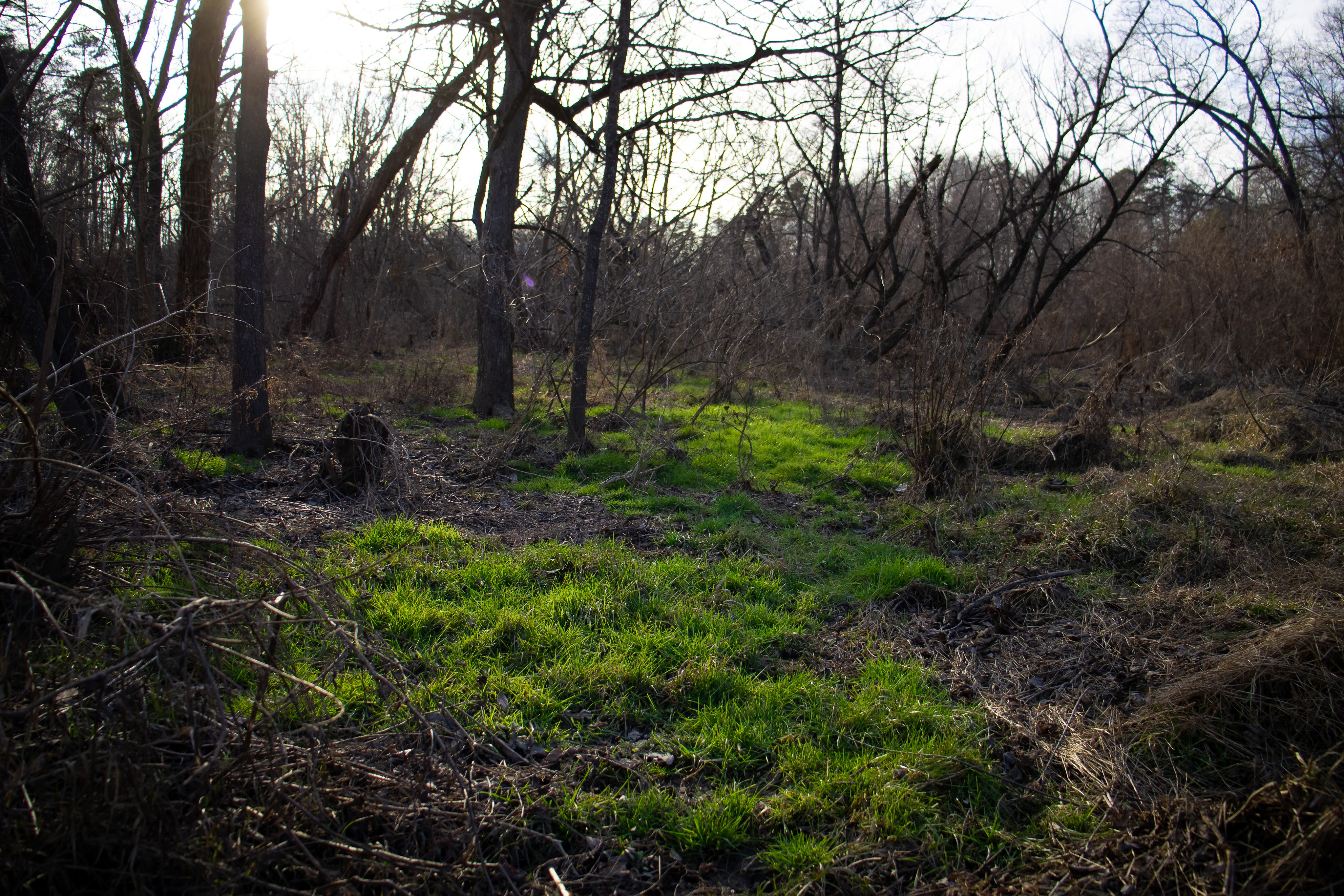
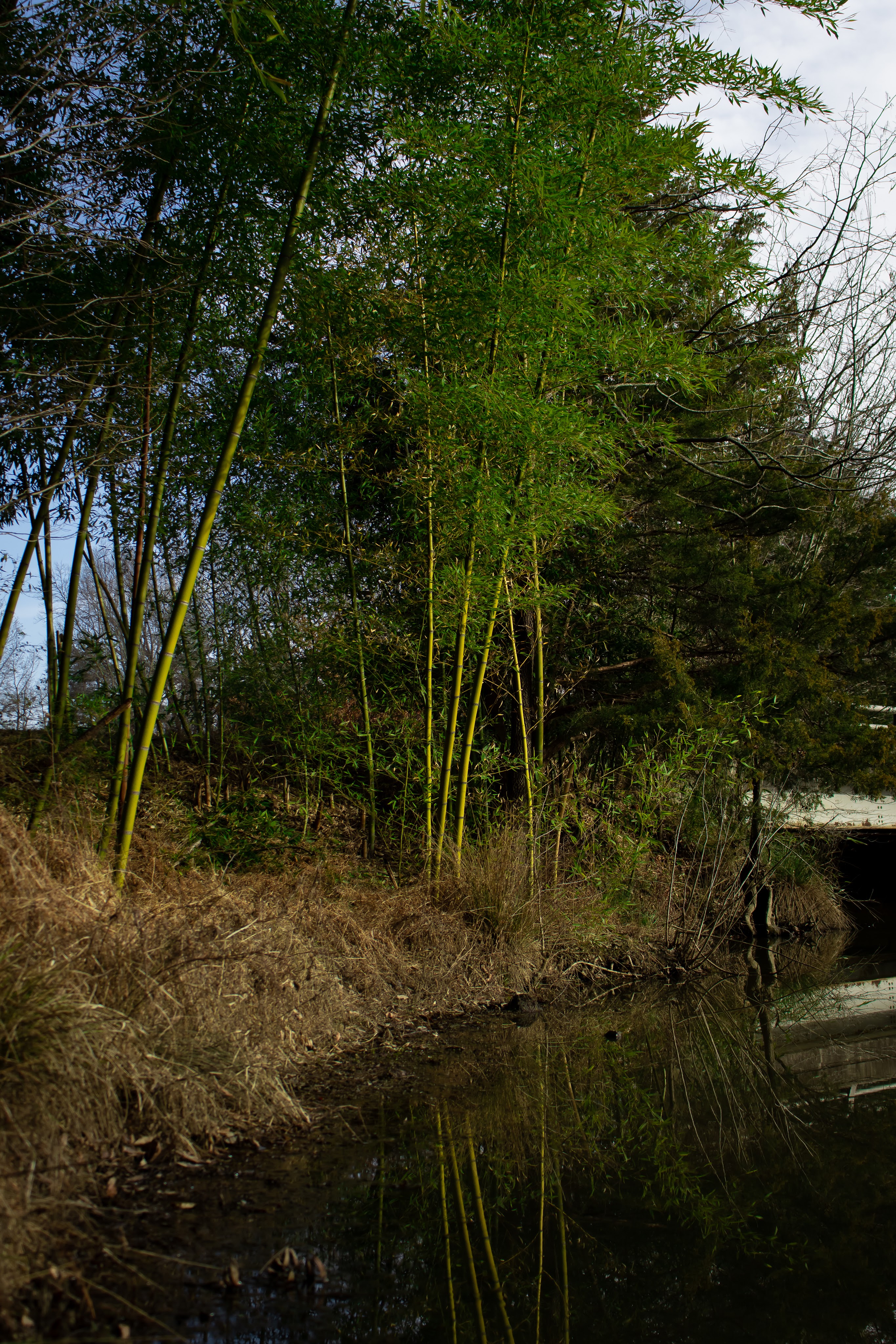
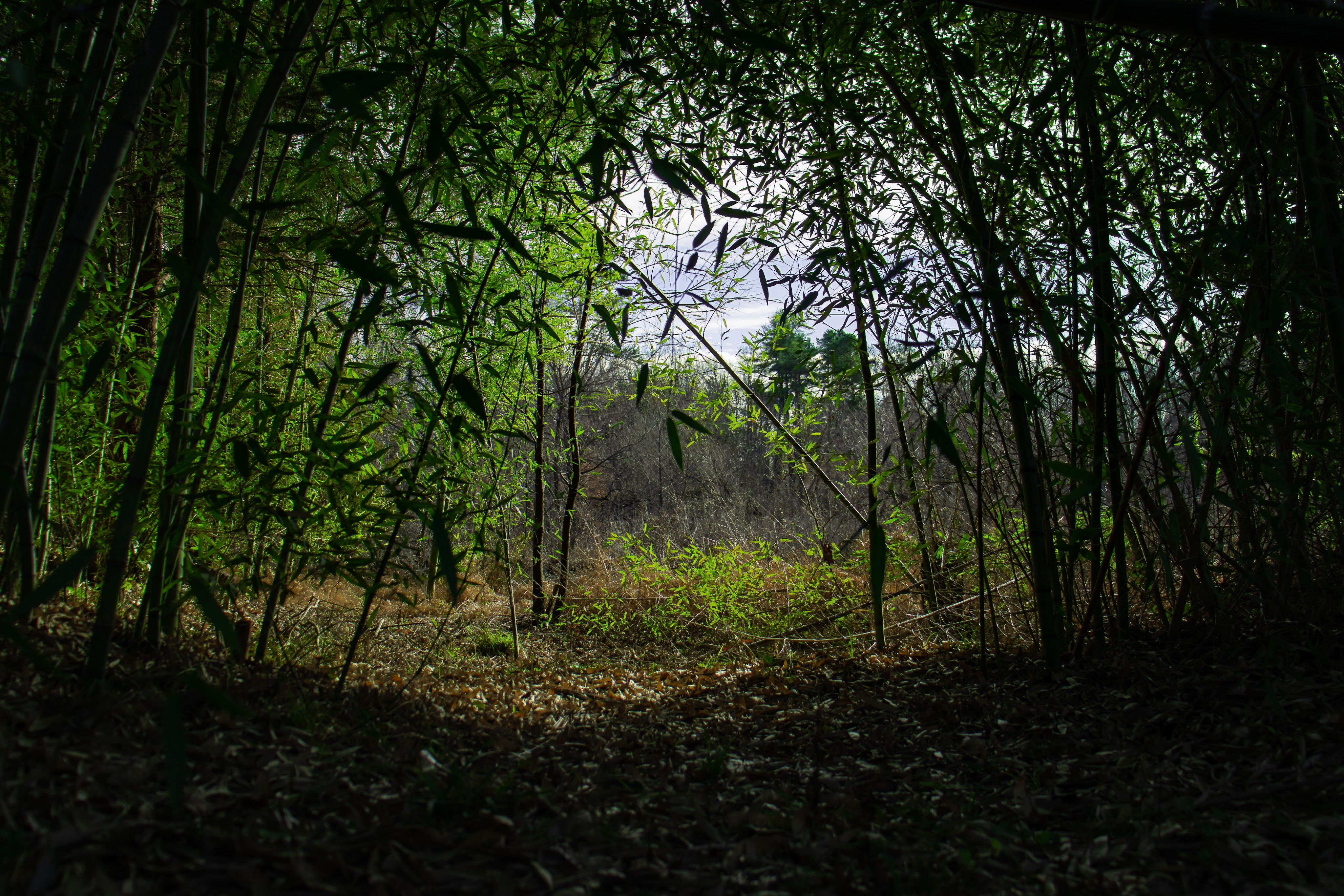
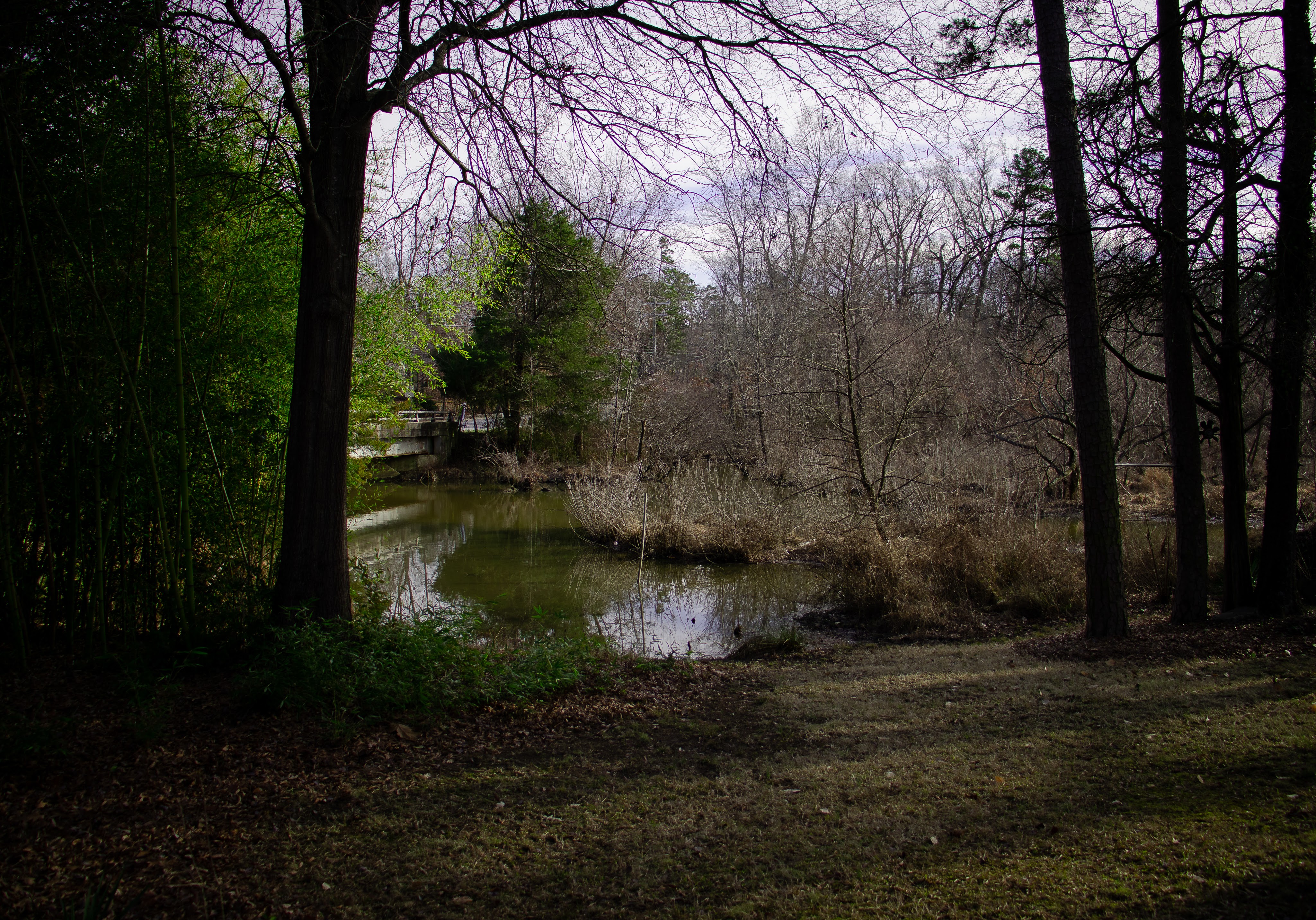
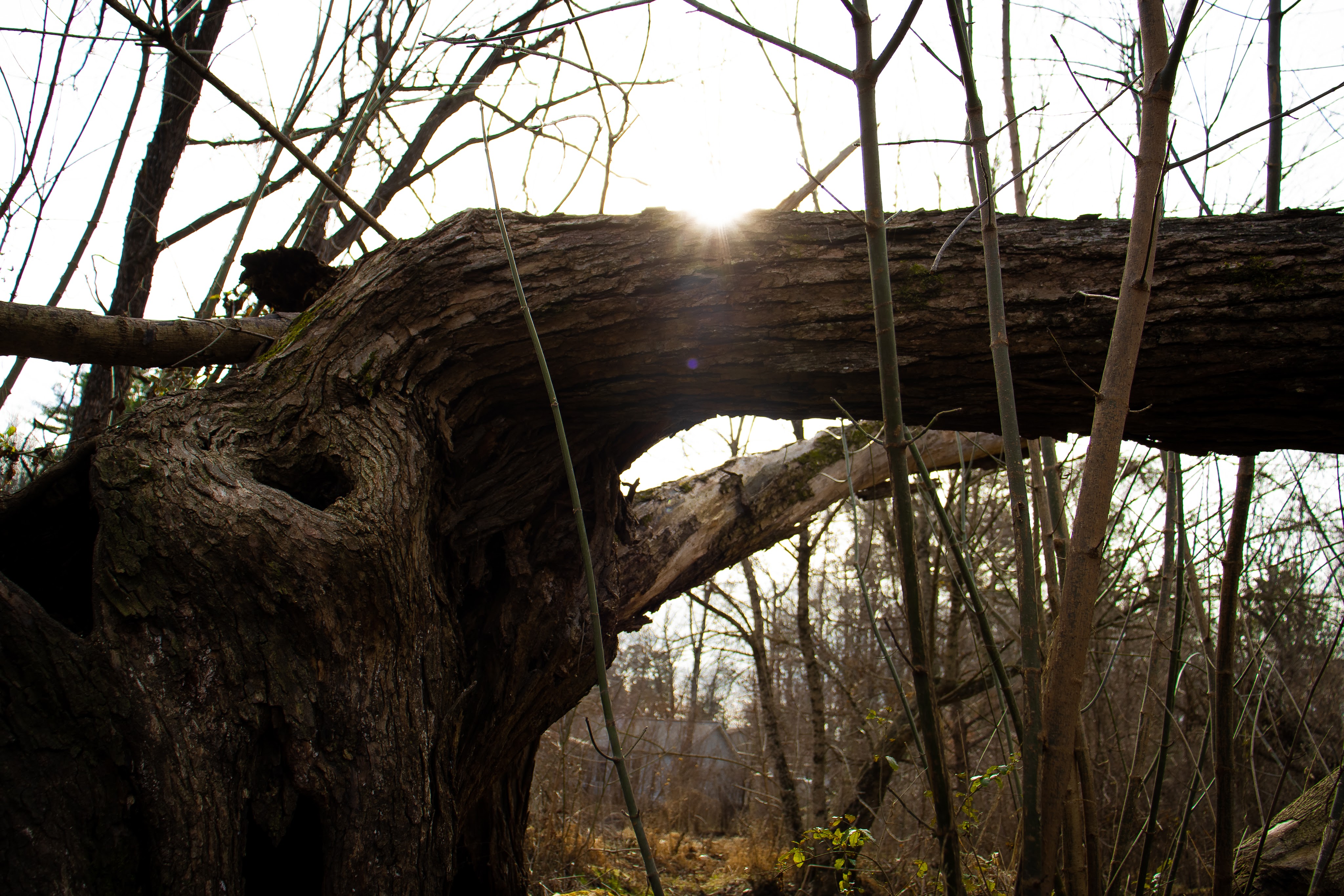
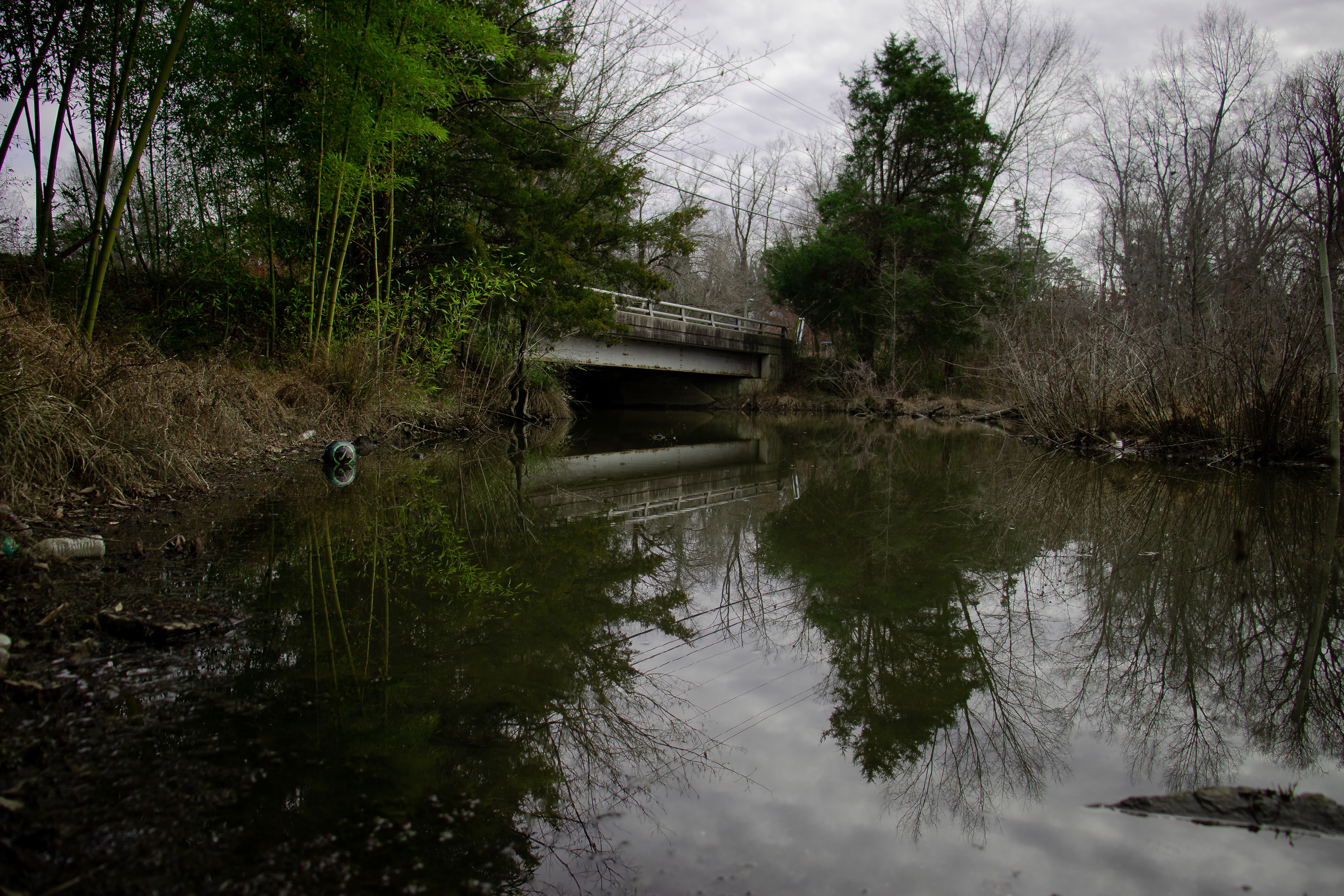
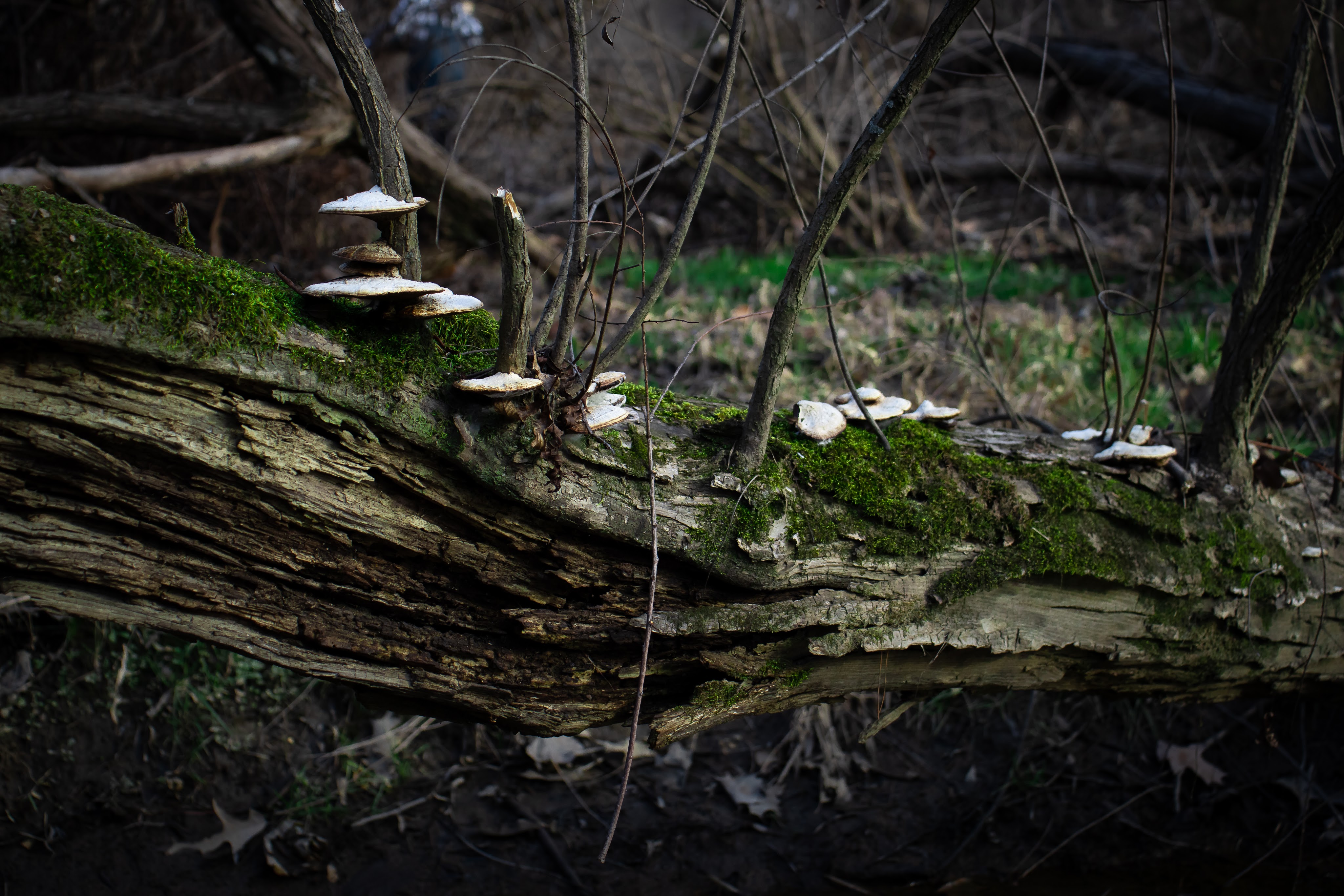
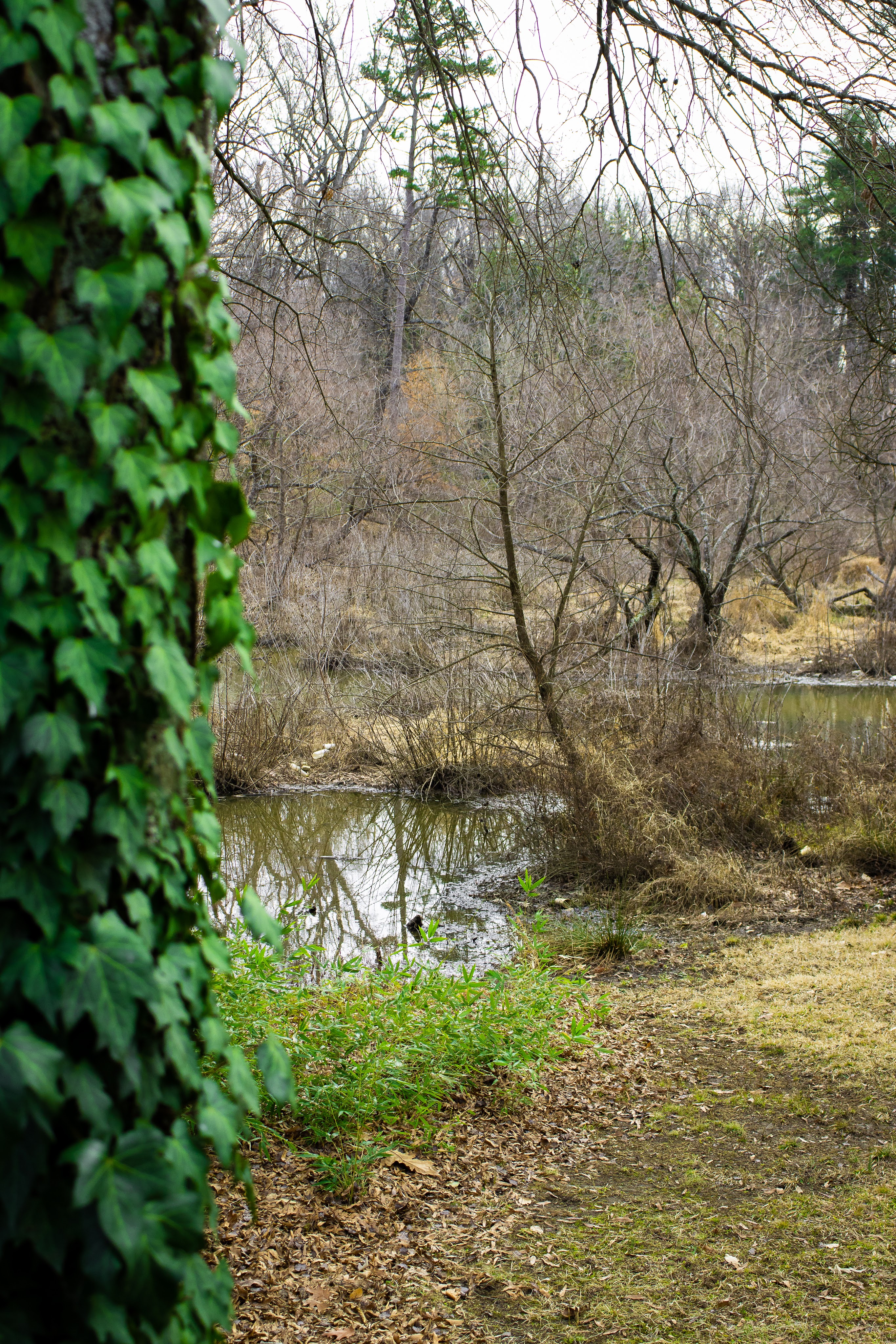
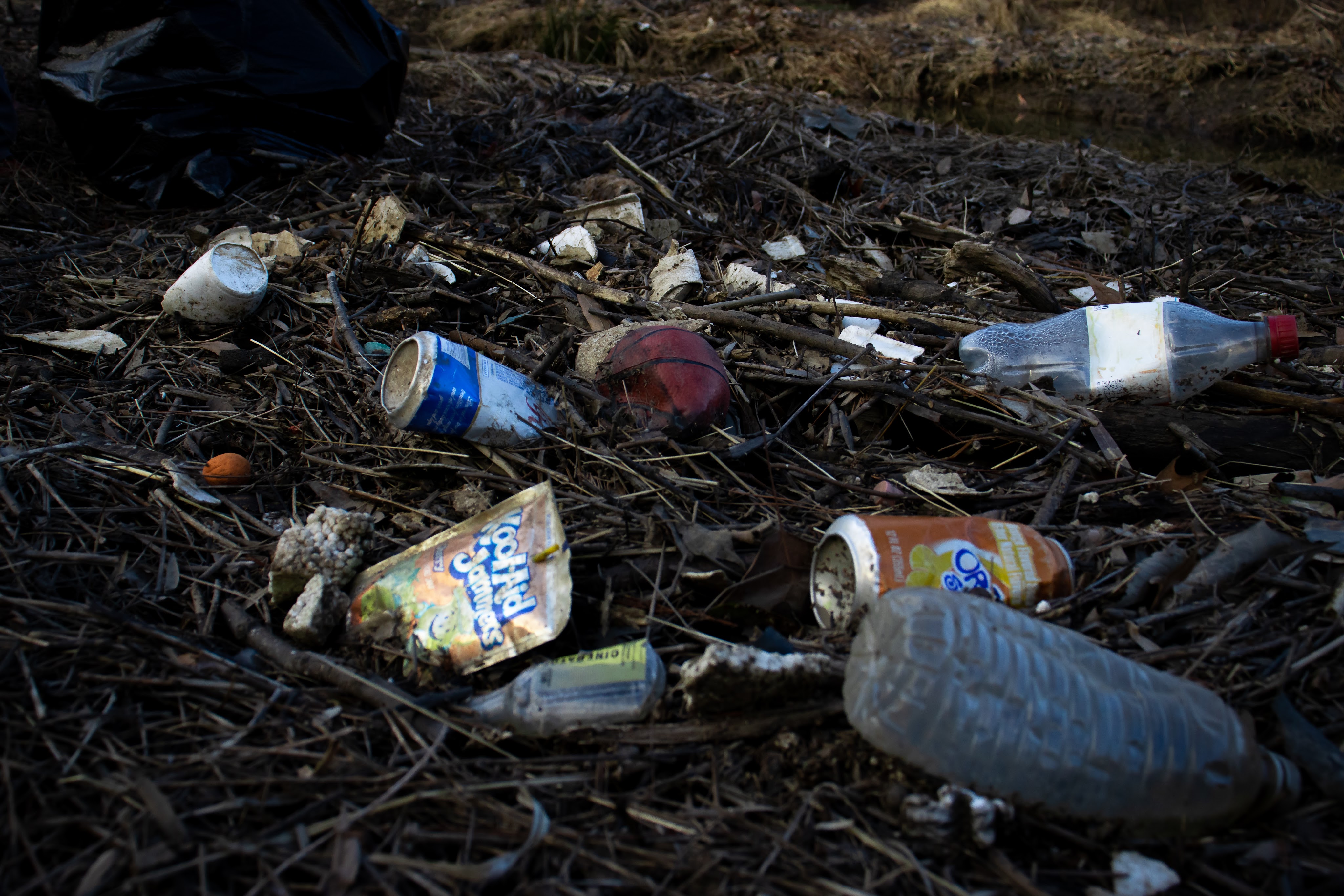
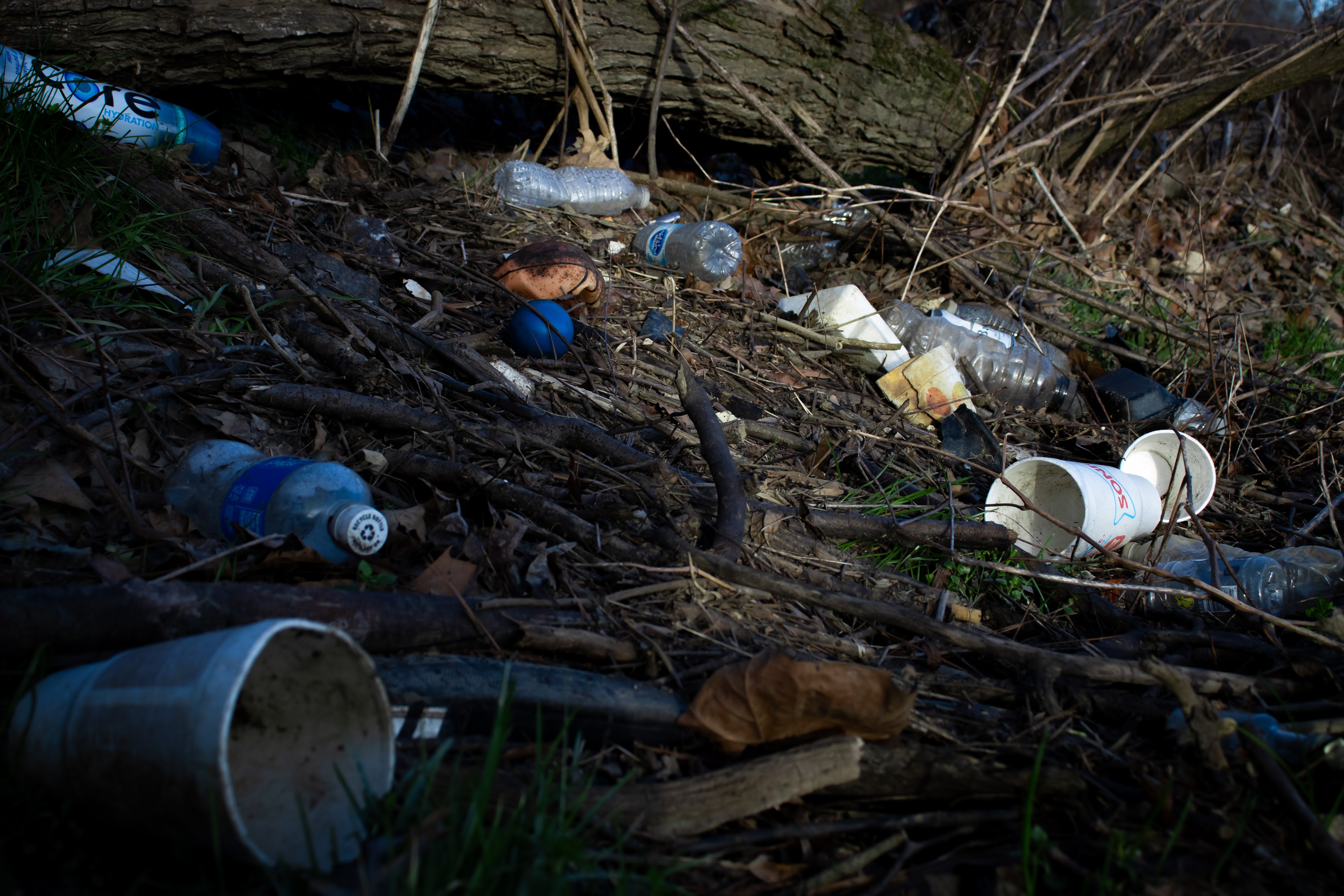
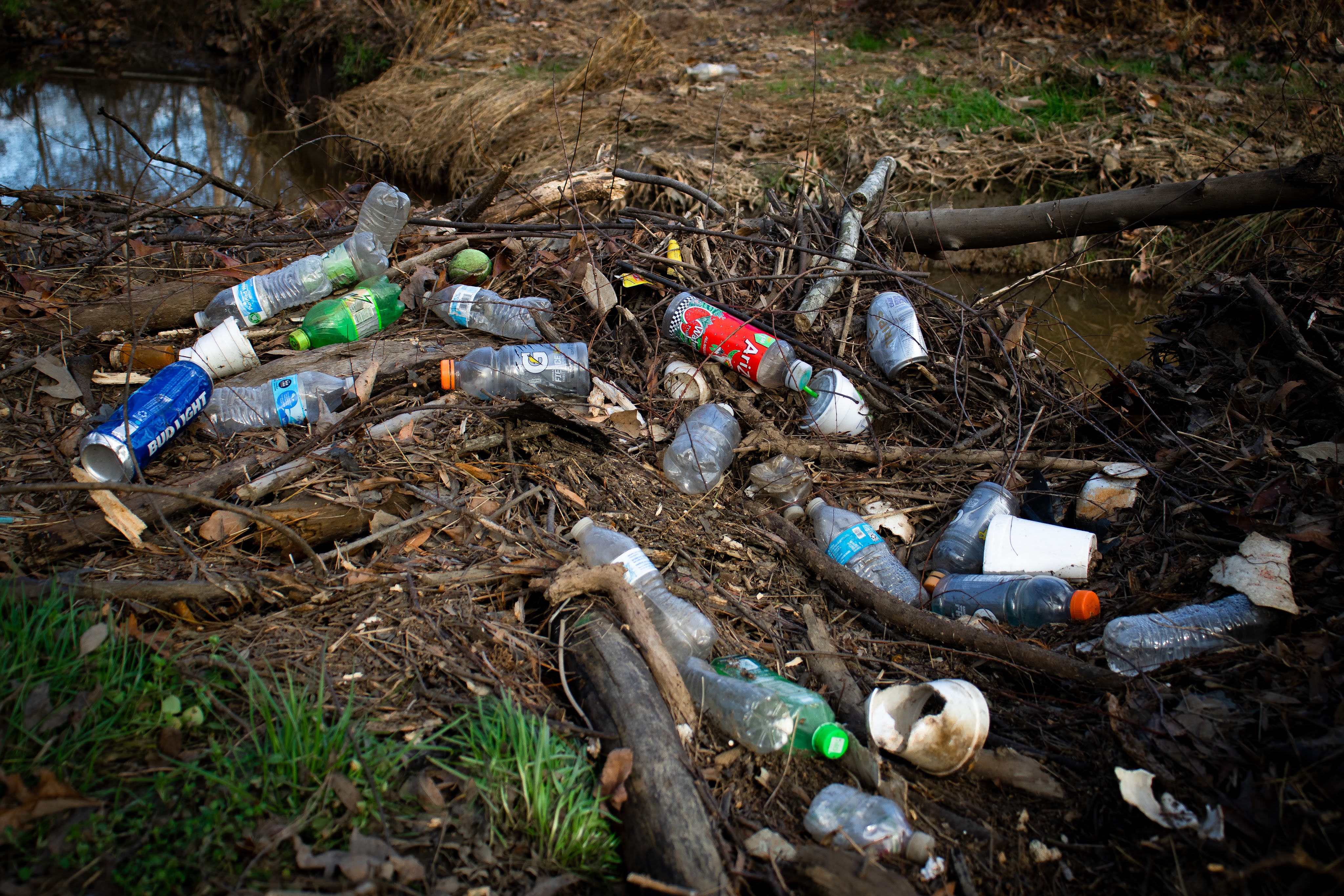
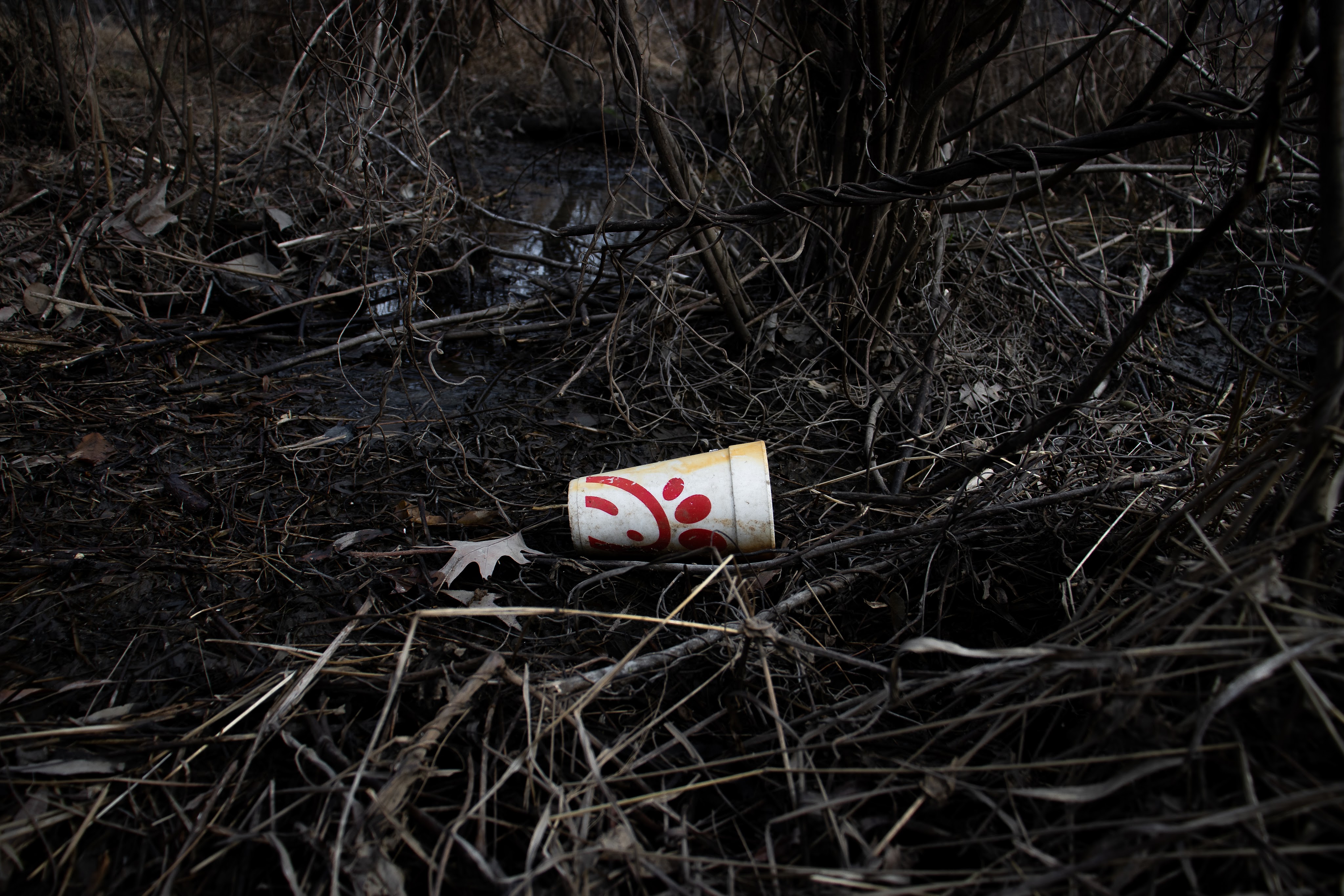
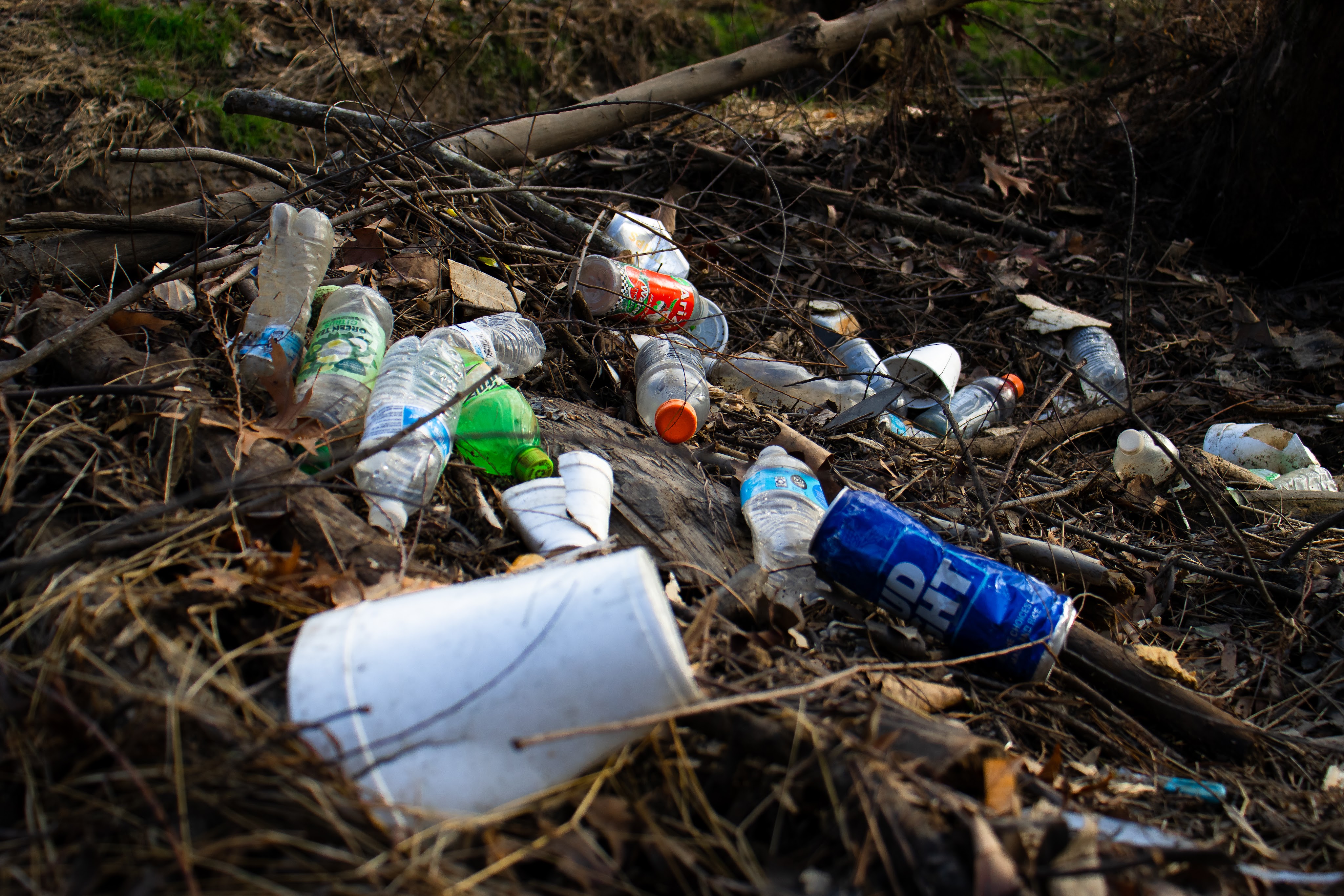
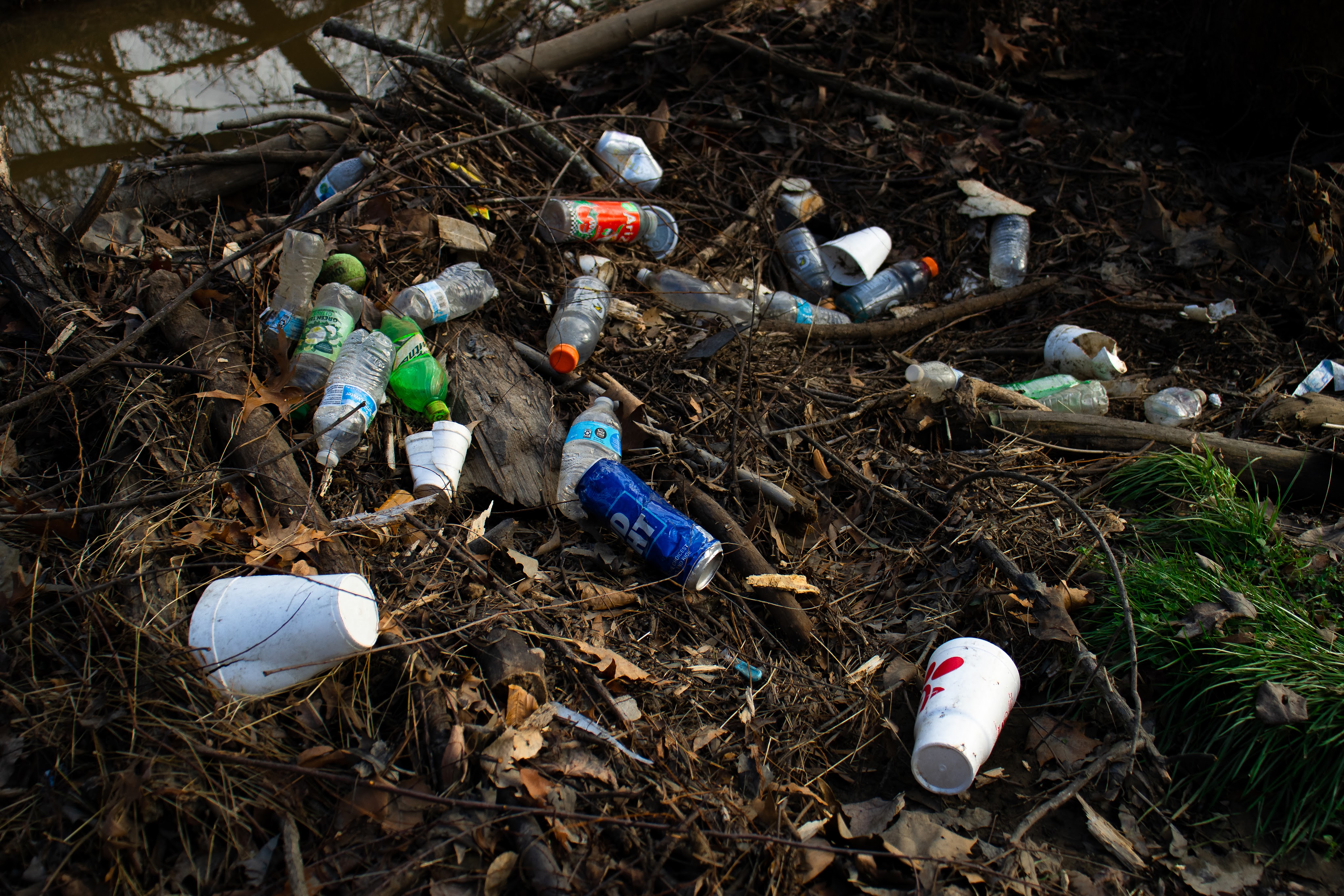
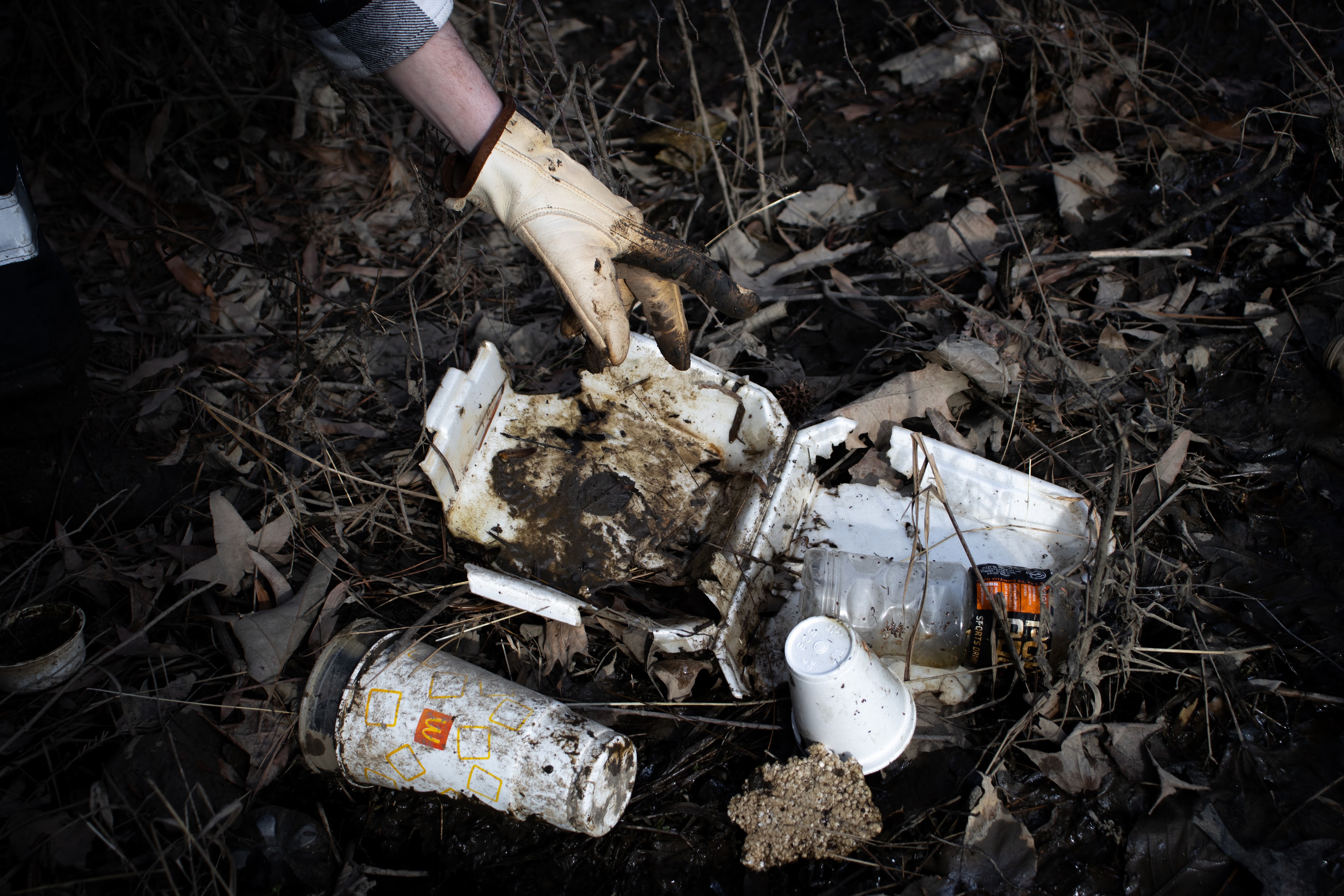
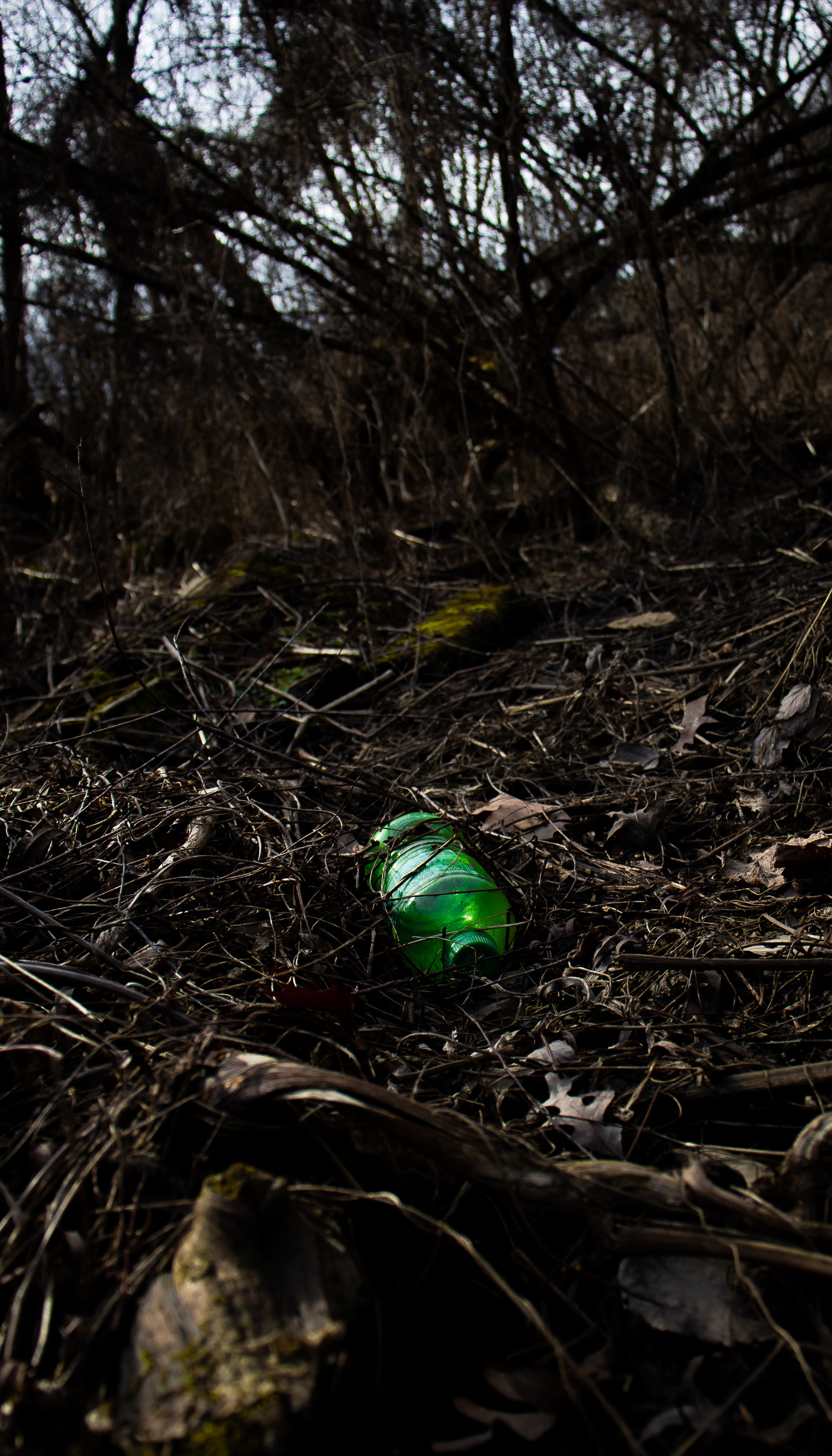
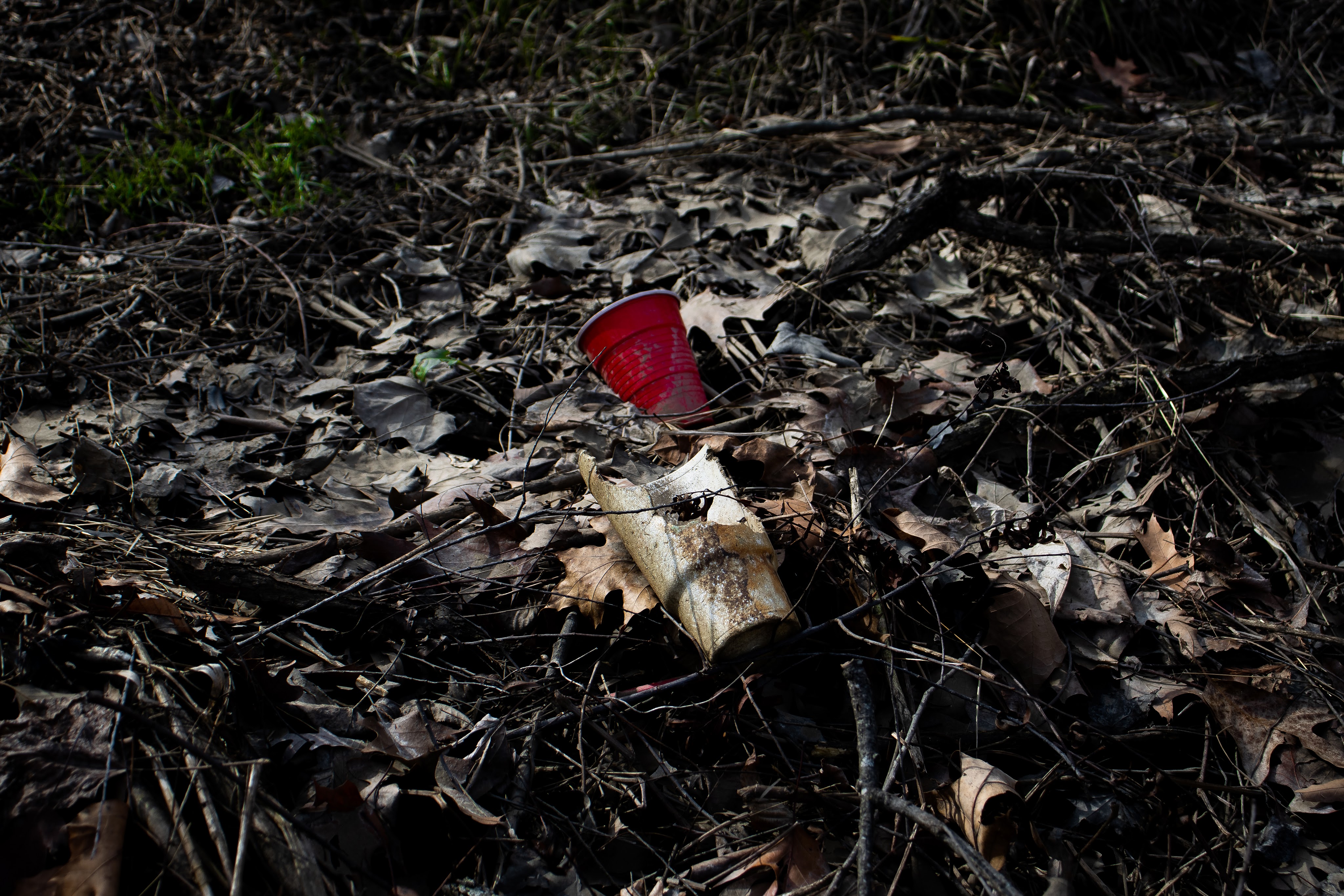
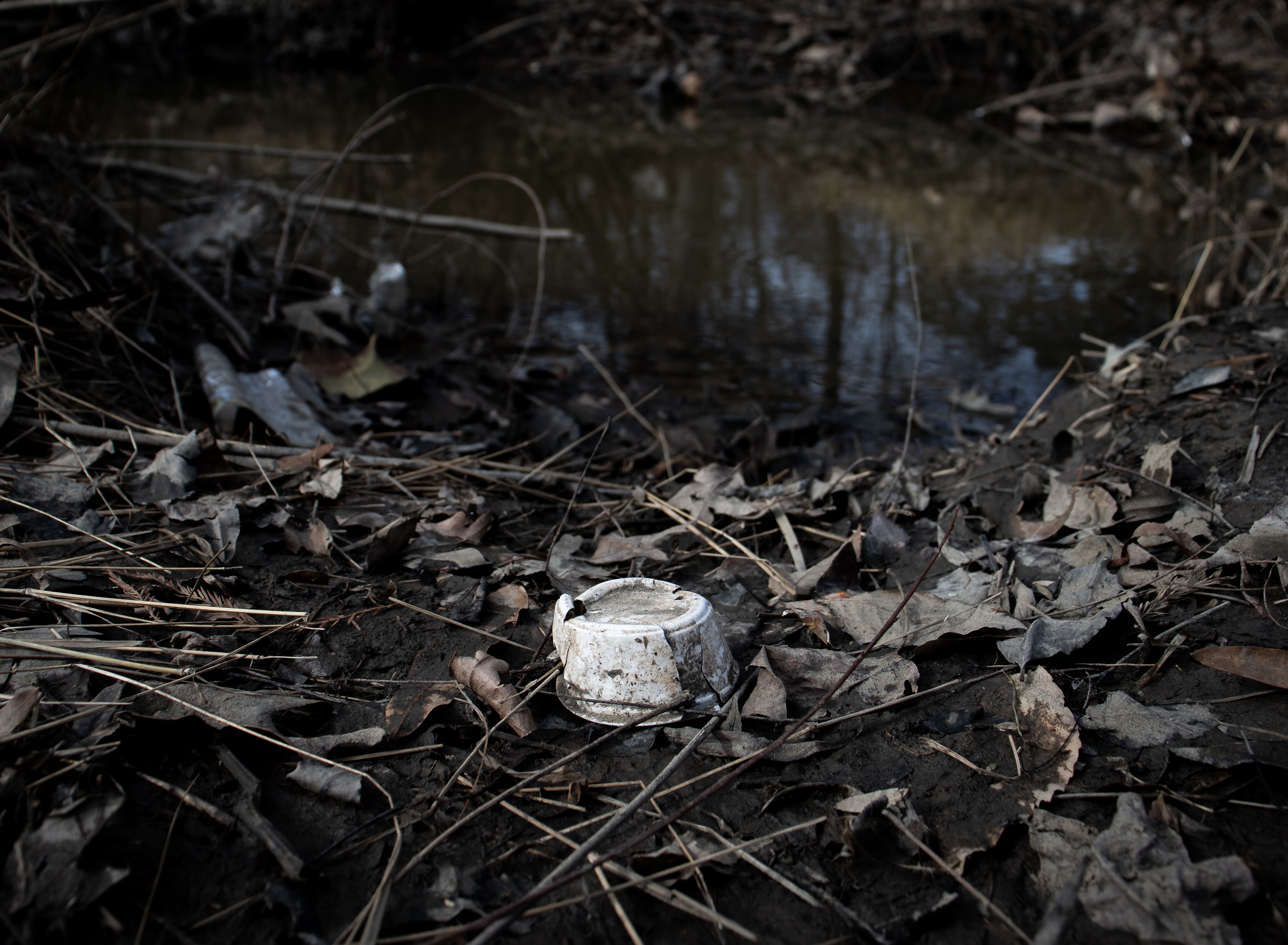
The first GSOVIBES Trash Pick Up successfully collected over ten bags of trash and a big metal barrel from the Twin Lakes swamp in Greensboro, NC. This wetland is a conservation area owned by the Piedmont Land Conservancy and is home to a variety of North Carolina wildlife, including but not limited to beavers, grey herons, snapping turtles, and the occasional river otter!
Read more: First GSOVIBES Trash Pick Up: SUCCESS!Thank you for making the first GSOVIBES Trash Pick Up a Success!
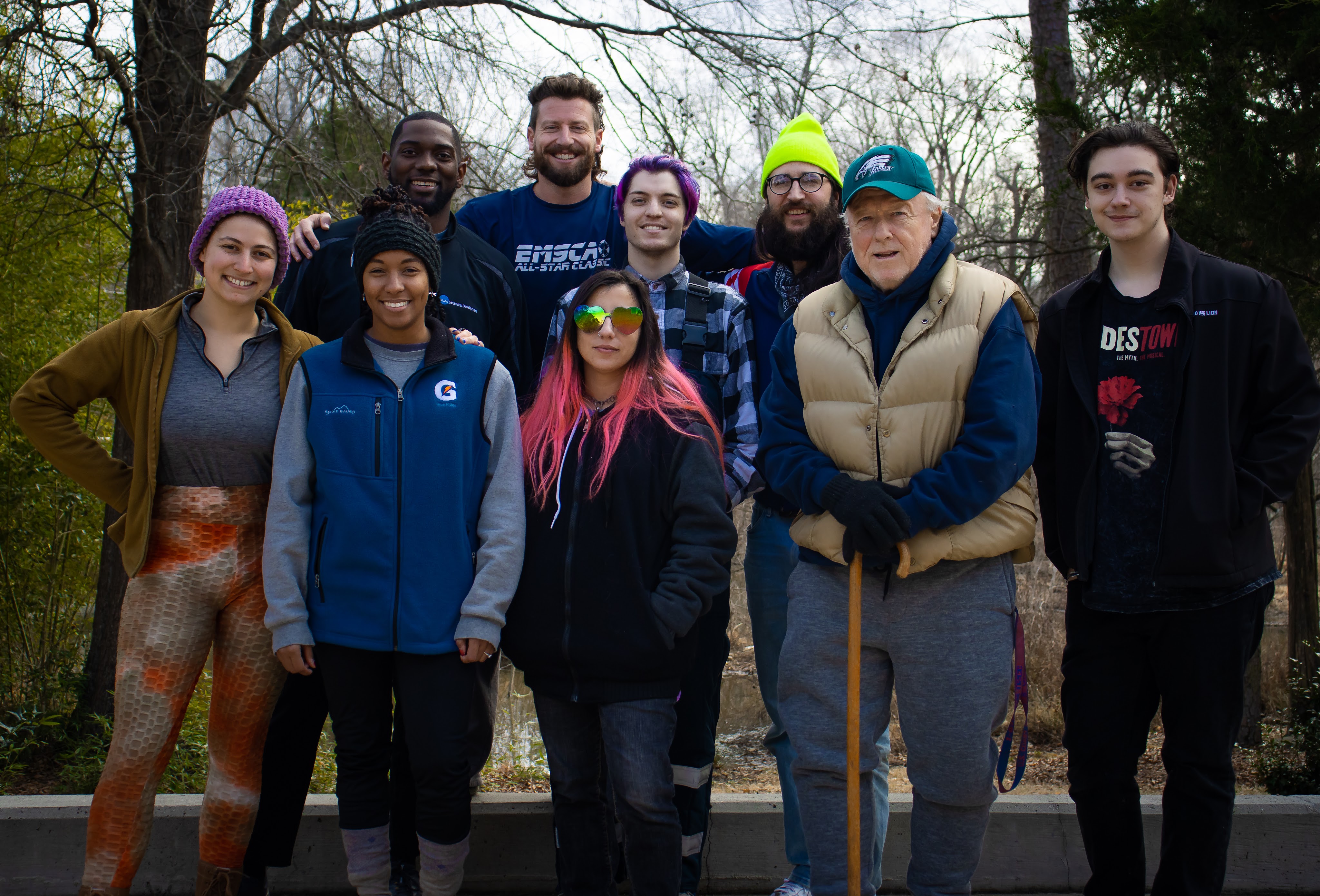
Thank you Pete, Susan, Scott, DeAnna, Brandon, Lina, Andrew, Chris, Bee, Nathan, and Brian (our dedicated photographer!) for helping us pick up trash and capture these moments!
The Importance of Wetlands
Wetlands are integral to the wellbeing of our communities locally, regionally, and globally. They are considered nature’s richest ecosystems for both plant life and animal life. An article by the Environmental Defense Fund (EDF) delineates the following six reasons why wetlands are important no matter what month of the year it is:
- A vital natural buffer from flooding.
- A bountiful home for diverse flora and fauna.
- An economic driver for states and local communities.*
- A sanctuary for connecting people with nature.
- A natural filter to improve water quality.
- A natural solution to address climate change.
*Note: This point made is one I disagree with. In fact, I do not think wetlands should be utilized for recreational activity. More specifically, as listed on this EDF blog, I think hunting, fishing, and even to some extent photographing are all harmful activities for the wildlife of wetlands. If for educational purposes, the degree of regulation necessary to ensure that visiting groups do not abuse the environment, even if unintentionally, is unlikely given our society today. There are other ways of education about the importance of wetlands without the risk of harming them with foot traffic, litter, and general anthropogenic disturbance.
The most important of these reasons is, in my opinion, #5: a natural way to improve water quality. Not just for us humans, but for creatures of all wetlands. Some of the creatures who live in the Twin Lakes swamp are beavers, deer, musk rats, opossums, raccoons, snowy egrets, varying hawks, crows, and ravens, barn owls, king fishers, grey herons, humming birds, mallard ducks, wood ducks, geese, snapping turtles, bull frogs, peepers, an array of many different types of fish and insects and salamanders and newts and snakes, and rarely, otters. If you are still unimpressed, this is an incomplete list! Visit the NC Wildlife website to learn more about some of these wetland residents.
Twin Lakes’ History
Earlier than many Greensboro conservation areas, the Twin Lakes region was made into a conservation land by none other than Pete’s great grandparents, the Foushee’s. The two lakes are now one lake and one swamp on either side of the Pinecroft Road bridge. Sedimentation settlement over time is what causes such a change in a lake; Pete remembers when the swamp was still a lake in his childhood.
Another fun fact about this area is that it is part of what was once a log cabin community. Numerous log cabins can still be found throughout the neighborhood. Although log cabins were originally used as quickly built temporary dwellings before a more permanent one was built, log cabins are now vied for as a “return-to-nature” style of living, according to this News & Record article.
Piedmont Land Conservancy
As evidenced by the name, the Piedmont Land Conservancy (PLC) is a nonprofit that works to conserve land. When I was once a Defend Our Future Ambassador (DOF website) I hosted a virtual meeting with the Executive Director of PLC, Kevin Redding, who described the work they do and the many economic and political challenges of a nonprofit that seeks to prevent the over-development of our natural lands. Before this, I was a Political Science student in Redding’s Environmental Law class at UNCG. Mr. Redding, your class and presentation were two moments that clarified for me the importance of our environment as well as how I can use my skillsets to protect it. Thank you for that.
Dogs & Burgers
We kicked off the event with grilled hot dogs and burgers for all attendees. Peterson set up a cozy fire near the grill area for us to warm ourselves before we set off into the swamp to collect the litter that us Swamp House residents see on a daily basis. Although we provided beers this go around, our future intention is to provide food and encourage everyone to BYOB!
Prints and Stickers
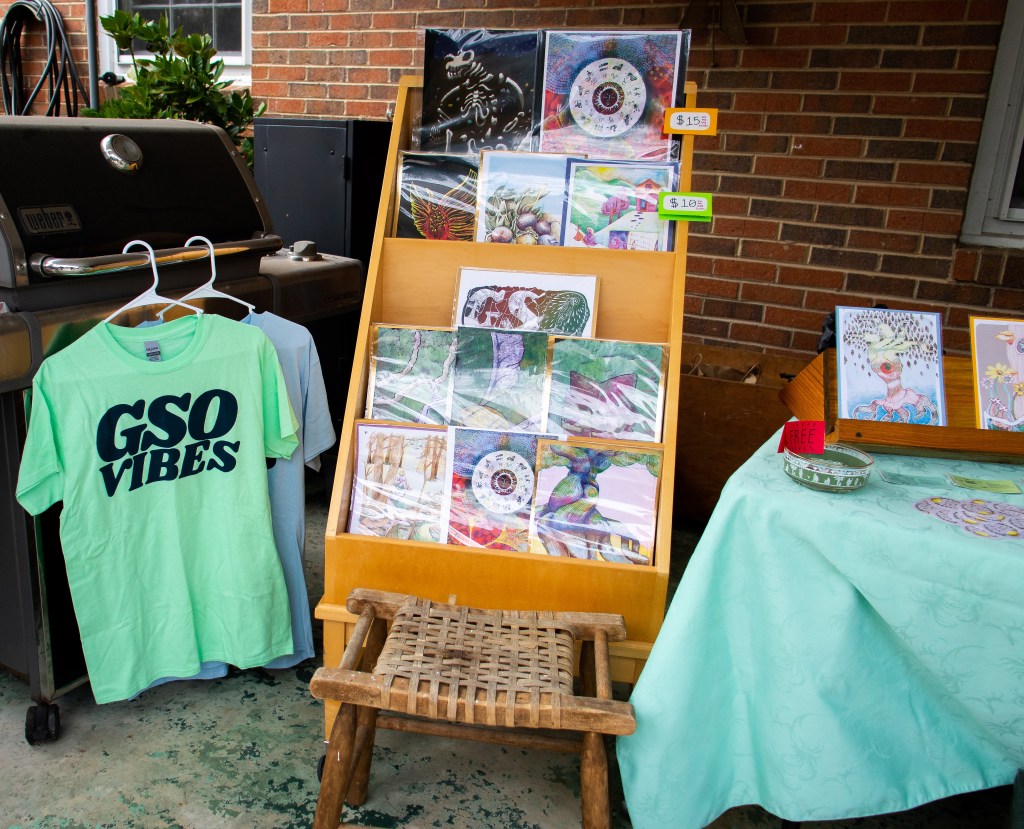
The same prints and stickers displayed and sold at the Oden Brewing Fall Equinox Festival 2022 were once again available for purchase at our first GSOVIBES Trash Pick Up Event. Not only can you support our trash pick up’s and art club events by purchasing these products, but you can also have an input on potential future designs by attending the events or via my contact page.
Each print contains an artist statement explaining the meaning behind the piece.
The Next GSOVIBES Trash Pick Up
Whether you were there for the first one or are incredibly inspired to attend the next one, here’s info to both upcoming GSOVIBES Events:
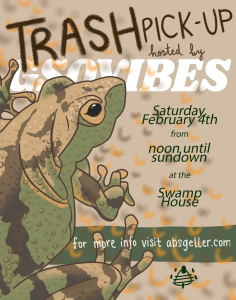
GSOVIBES Trash Pick Up
Saturday, Feb 4th from noon to sundown @ The Swamp House
- Food will be made & distributed at noon. First come first serve. BYOB.
- We will provide trash bags and gloves.
GSOVIBES Art Club
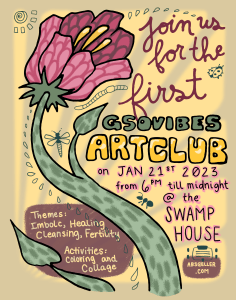
Saturday, Jan 21st from 6 PM till midnight @ The Swamp House
- Themes: Imbolc, healing, fertility
- Activity: coloring & collage
- We will have some drinks, but we encourage BYOB!
- No food will be provided at this event unless we all agree to order pizza together 🙂
- We will provide materials, but feel free to bring your own colored pencils and pens, magazines, glue sticks, etc.!
 absgeller
Leave a comment